
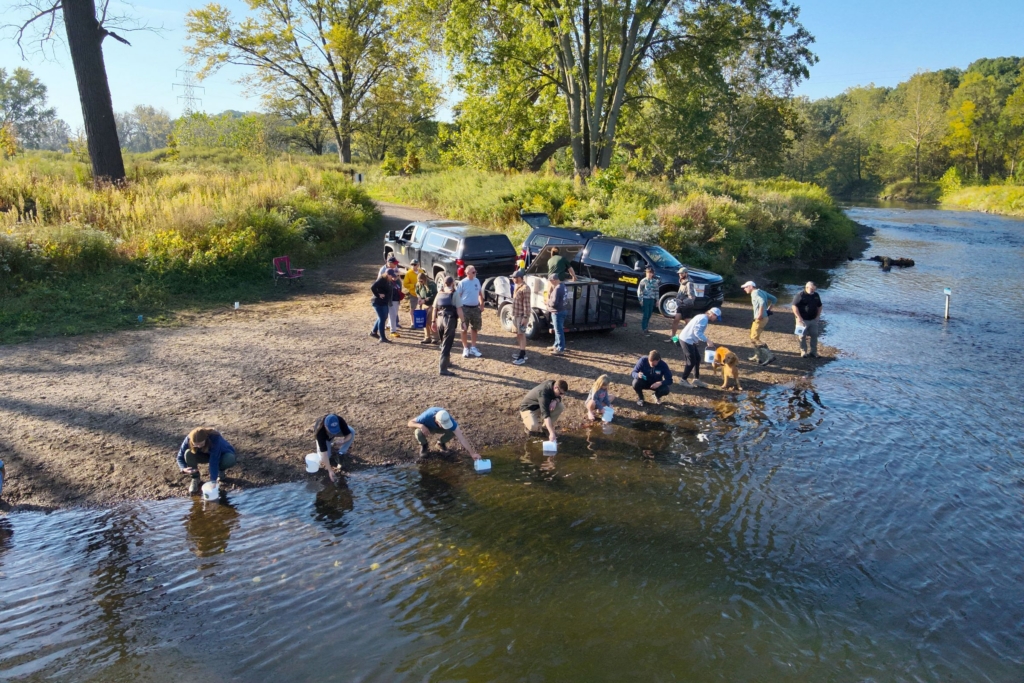
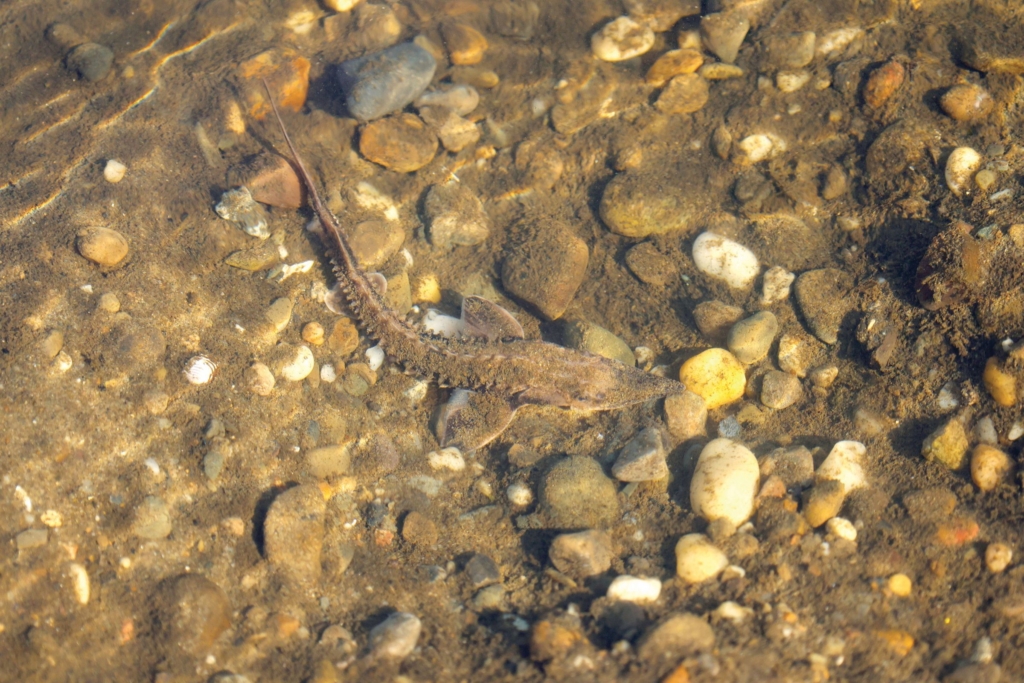
The great river revival has a new chapter: The reintroduction of lake sturgeon in the Cuyahoga River is now underway, and it signals not only the return of a prehistoric species, but also the rebirth of a river once in flames.
Summit Metro Parks teamed up with Ohio Division of Wildlife, U.S. Fish and Wildlife Service, Cleveland Metroparks, Cuyahoga Valley National Park, U.S. Geological Survey and Northeast Ohio Regional Sewer District to begin a Cuyahoga River Lake Sturgeon Reintroduction Plan.
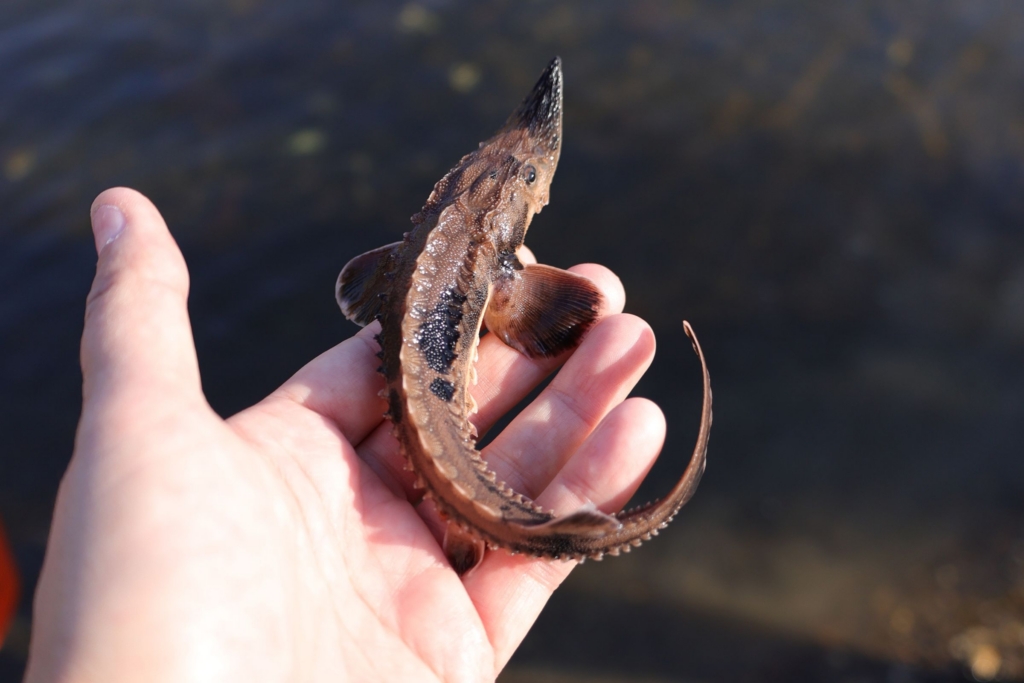
Lake sturgeon (Acipenser fulvescens) once roamed freely in the Cuyahoga River and other tributaries feeding Lake Erie. But, by the 1900s, a combination of over-fishing, pollution, damming of rivers and habitat loss caused lake sturgeon to disappear from the system. Their numbers dwindled drastically across the Great Lakes region, making their comeback a conservation priority.
Several important habitat improvements have set the stage for this reintroduction. One of the biggest was the removal of the Brecksville Dam in 2020, which opened up roughly 45 miles of river from Lake Erie to the Gorge Dam within Gorge Metro Park. Biologists have also mapped the riverbed and found areas of suitable spawning habitat (gravel, cobble and flow rate) and nursery habitat for younger fish. Additionally, water quality has improved significantly over the decades, allowing formerly absent species to return. The restoration of the river through the Valley View Area of Cascade Valley Metro Park was also designed with habitat for this species in mind.
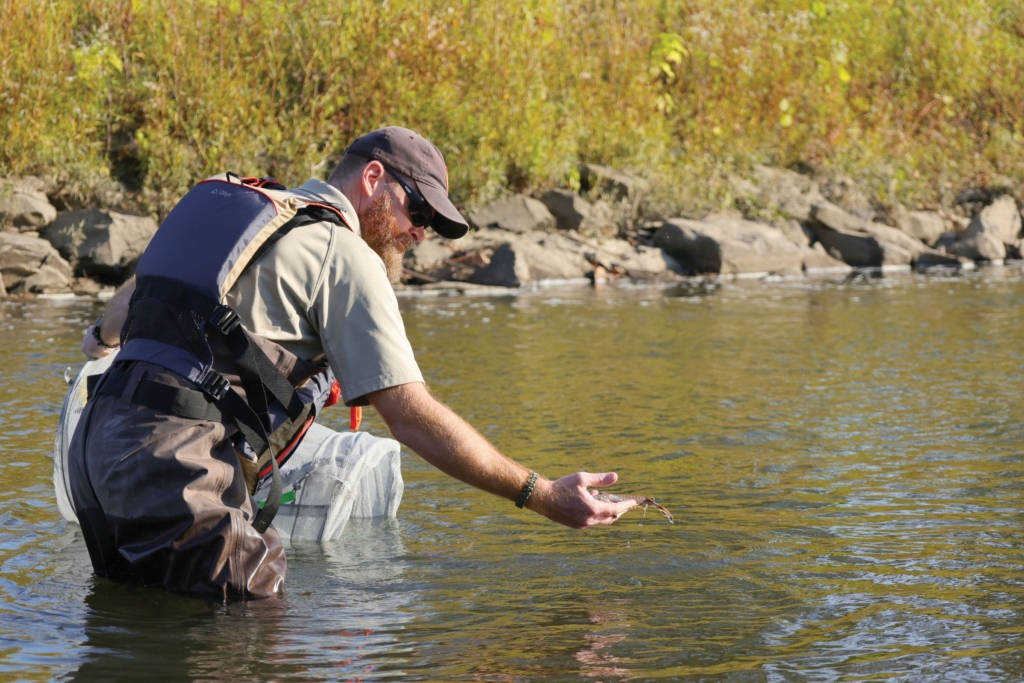
The sturgeon restoration effort will take time. The goal is to establish a self-sustaining, spawning stock of about 1,500 mature adult lake sturgeon in the Cuyahoga River by approximately 2049. The plan calls for annual stocking of around 2,000 fingerling lake sturgeon in the river over a 20-plus-year period. In 2024, a pilot release occurred with about 60 juveniles implanted with transmitters that were released to monitor movement, survival and habitat use. And last fall, over 2,000 fingerlings were released at three sites along the Cuyahoga River to inaugurate this broader rollout. Of those 2,000 fingerlings, more than 750 were released at the Valley View Area, the most upstream site.
Reintroducing lake sturgeon to the Cuyahoga River is significant for several reasons. Lake sturgeon are an ecological indicator because they are long-lived, slow to mature and require high-quality habitat to reproduce. Their presence signals a river that has made real water quality progress. The reintroduction of this historically present species provides more biodiversity. This helps re-balance ecosystems, supporting an even more sustainable native river fishery, along with invertebrates and other river life.
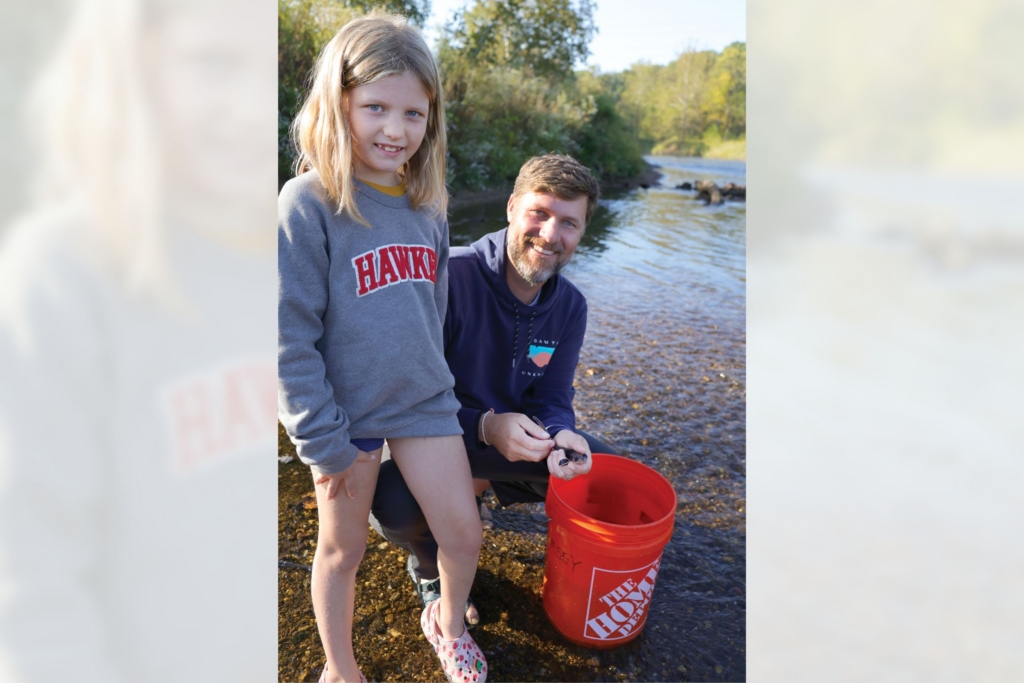
The effort to reintroduce lake sturgeon is a marathon, not a sprint. Lake sturgeon mature slowly; it takes 10 to 15 years before they can spawn and return to the same river systems to reproduce, so results will not be visible overnight. The success of this reintroduction plan depends on not only stocking fish, but ensuring they survive, find suitable habitat, grow, display natural behavior and eventually reproduce. Monitoring the fish via tracking tags and transmitters is a key part of how local scientists will determine whether this has successfully occurred. Continued attention to water quality, sediment and habitat is a required component for the future generations to come.
For more stories like this, check out Green Islands magazine, a bi-monthly publication from Summit Metro Parks. Summit County residents can sign up to receive the publication at home free of charge.