
Part 1: “Bad Bugs”
Now that it is officially summer, your garden should be well on its way to producing lettuce, peas, beet greens and maybe even some beans if you got them in early. Broccoli should be heading, as well as cabbage. Tomatoes and peppers should begin to blossom soon, if they haven’t already. Weeds are growing faster than you can pull them and you are beginning to see some disturbing signs on the leaves, stems and fruit: insect damage! You might also be experiencing damage from fungus, blights and virus. No, COVID-19 is not making your plants sick, but cucumber mosaic virus could be the culprit, among several others.
You may be asking yourself: What do I do next, and where do I begin? What is eating holes in my bean leaves? What is eating entire parts of the broccoli and cabbage? Why are the ends of my vines dying? Why does my plant look droopy? I have watered it religiously. So many questions. I am really getting frustrated! All this work and look what is happening!
Breathe and relax. Let’s begin by identifying what you are seeing that is causing the damage, i.e., “the bad bugs.” Then, we will identify the “good” bugs and how to promote their populations so they can eat the ones causing most of the damage.
The following list makes up the top 10 garden pests in Ohio (in no order), their favorite host plants and the damage they cause that you are likely to encounter this summer.
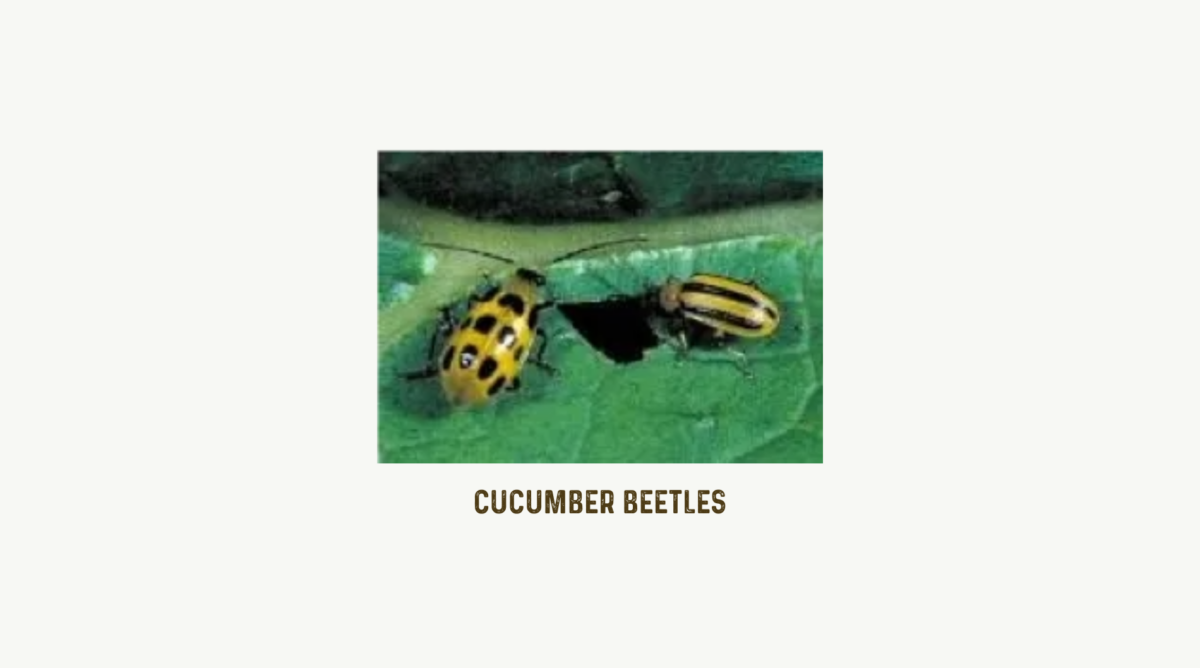
Cucumber Beetles
- Damage is done by adults as the plant emerges from the ground.
- Adults move to the fruit and chew pits and holes.
- Transmits cucumber bacterial wilt and cucumber mosaic virus.
- Host plants are cucumbers, melons and squash.
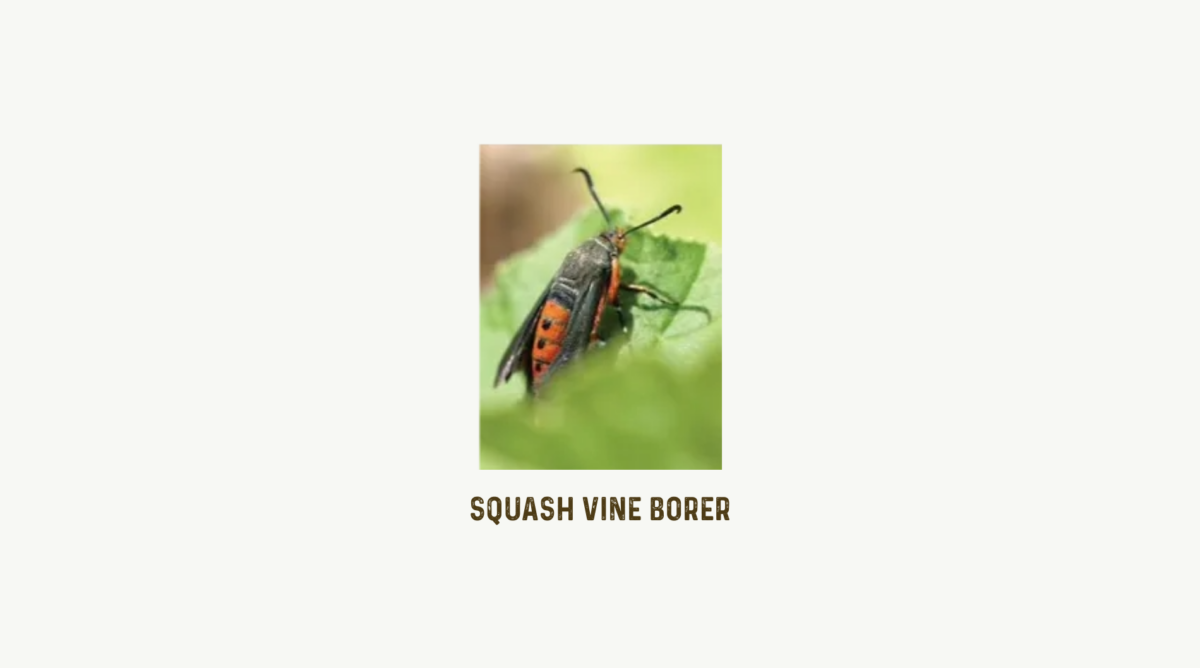
Squash Vine Borer
- Pupa overwinter in garden debris and hatch mid-spring.
- Adults lay eggs in the soil; larva then burrow into the base of the plant or vines of squash, zucchini and pumpkins causing the vine to wither and die.
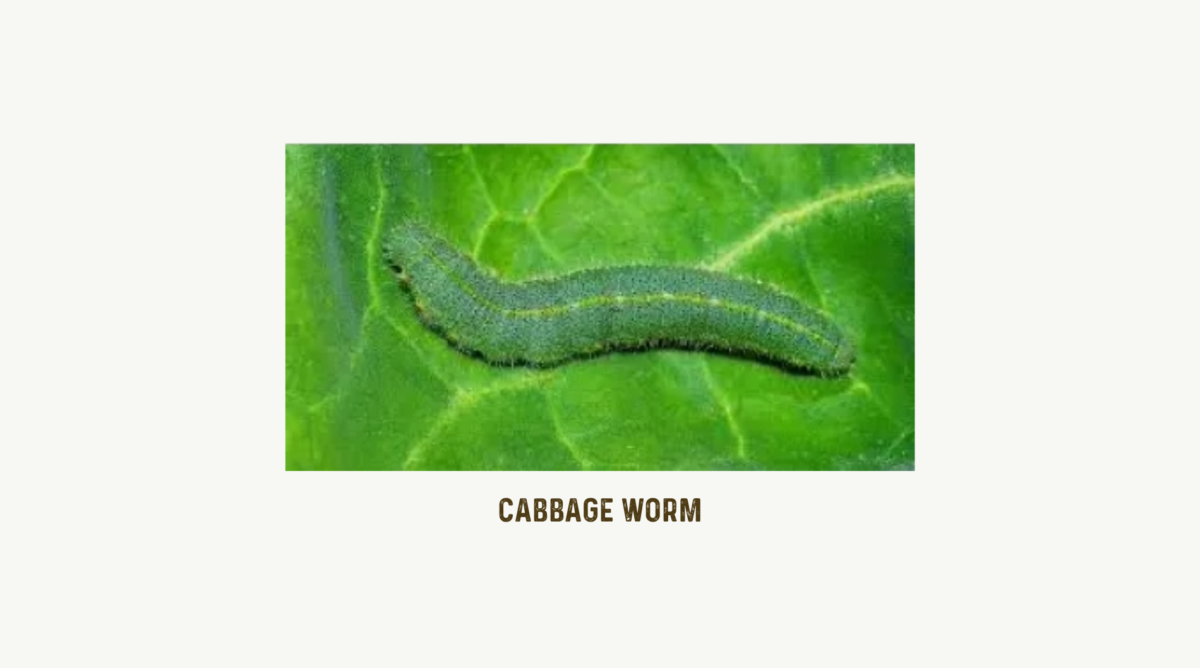
Cabbage Worm
- This is the larva of the cabbage white butterfly
- They feed on leaves of plants in the cabbage family.
- Can completely skeletonize the plant very quickly.
- Host plants are cabbage, broccoli and Brussels sprouts.
- Up to eight generations per year are possible.
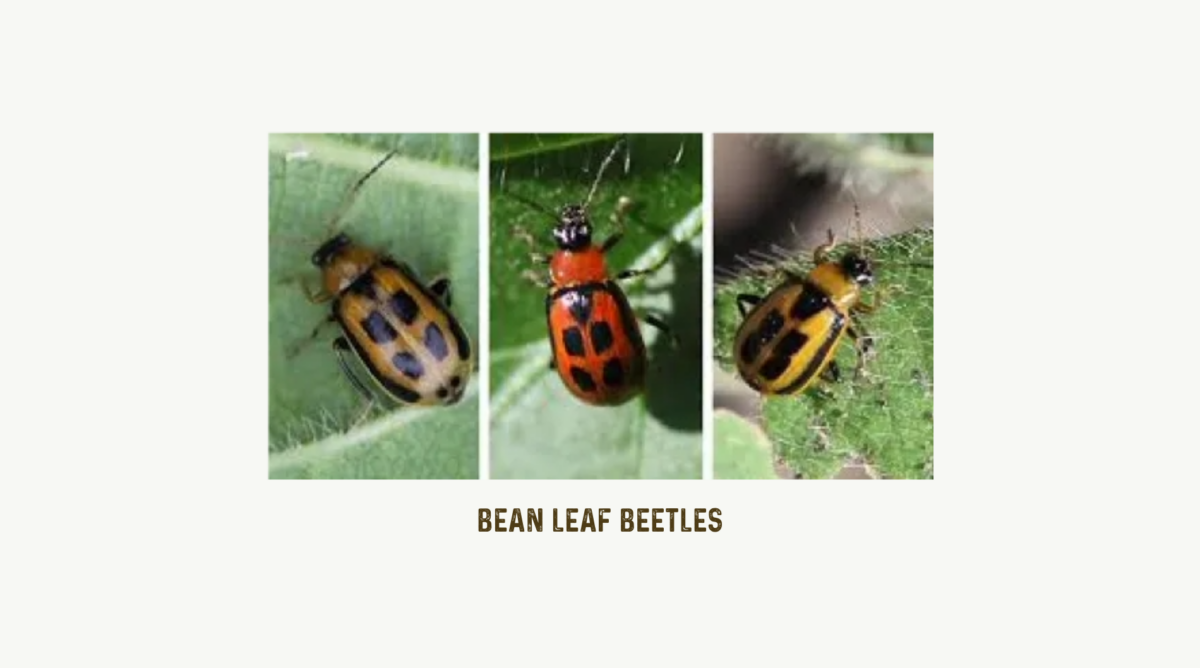
Bean Leaf Beetle
- There are over 1,500 leaf beetles and most are serious pests of the garden and field.
- Adults feed on leaves and fruit; larva feed on roots, leaves and fruit.
- Host plants are green beans, cabbage, broccoli and radish.
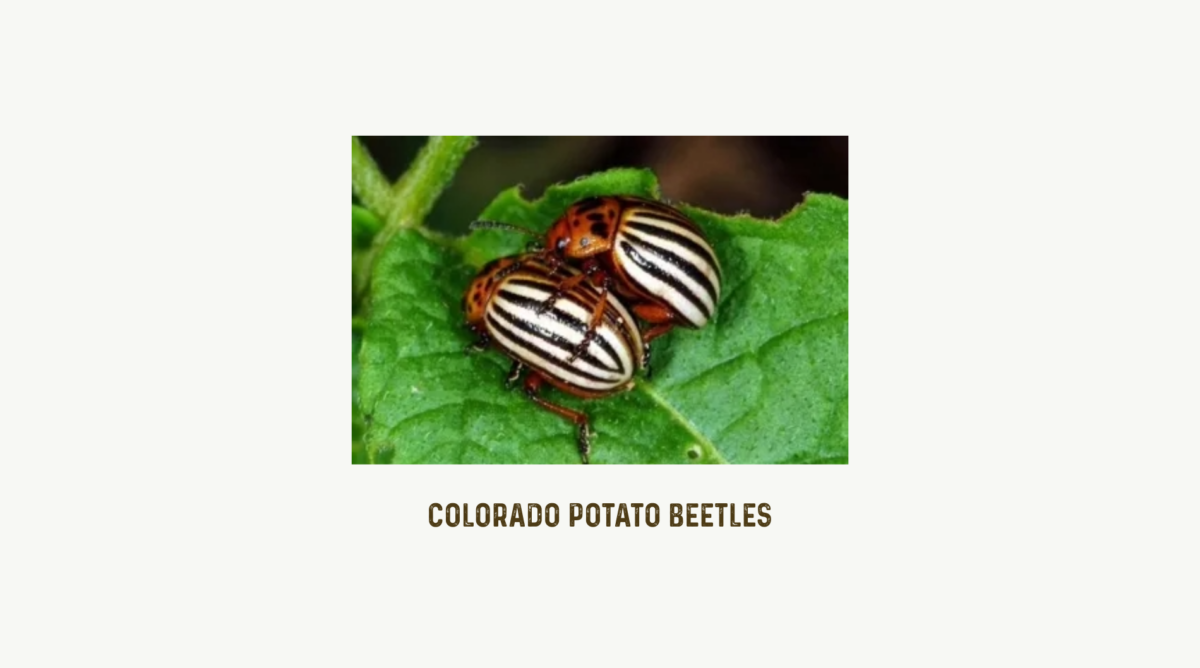
Colorado Potato Beetles
- Adult and larva chew leaves.
- Can strip a plant of foliage quickly.
- They’re the biggest threat to potato crops worldwide.
- Host plants are potato and eggplant.
Asparagus Beetles
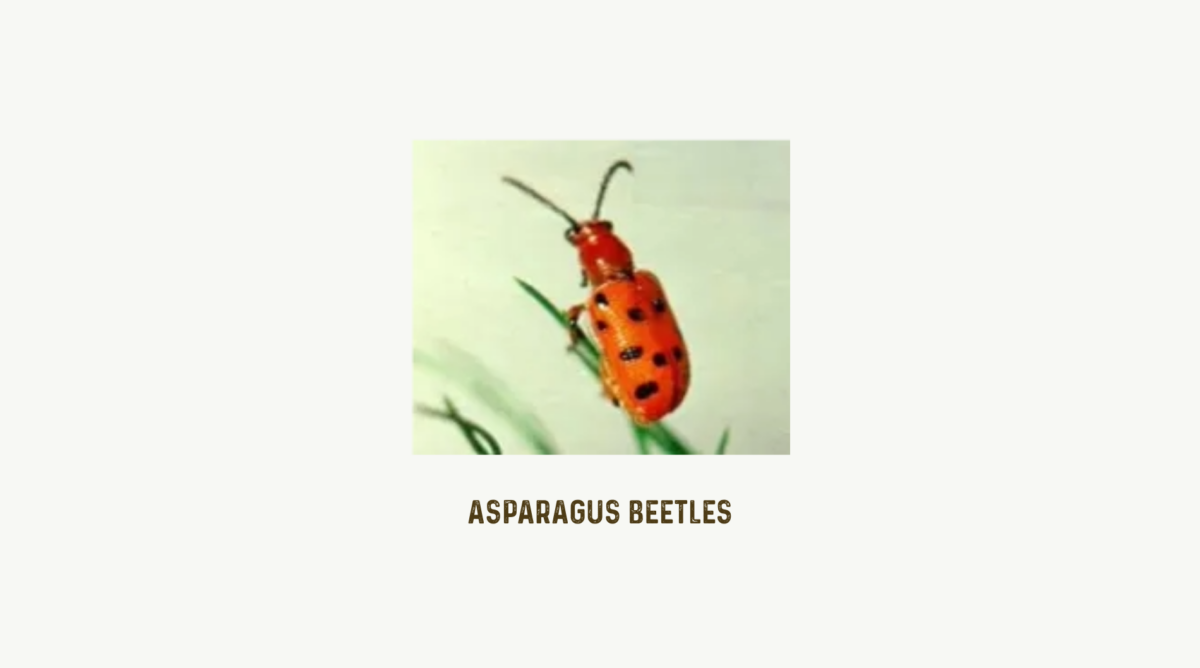
- Adults chew pits in emerging spears of asparagus.
- Larva chew the fern-like leaves causing stunted growth.
- Populations can explode causing plants to wither and die.
- Host plant is asparagus.
Corn Earworm
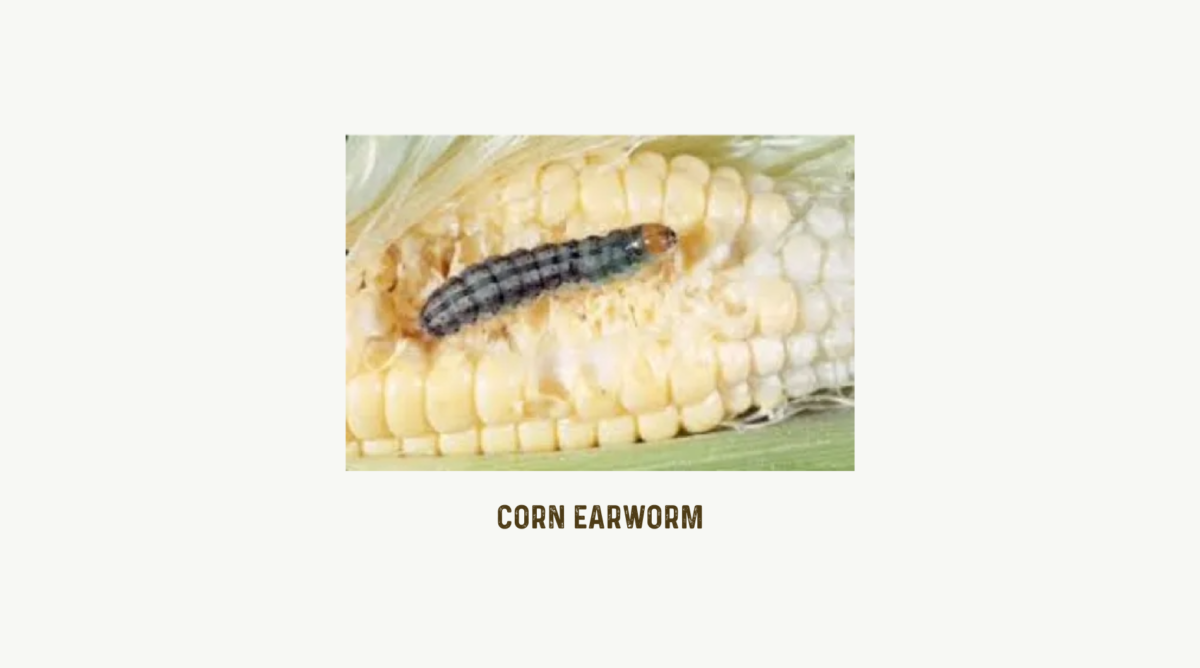
- The larva of a moth, the earworm burrows into the ear of the corn eating kernels and leaving a trail of frass (droppings) inside the husks of individual ears.
- Considered the most destructive pest of both field and sweet corn in the United States.
Aphids
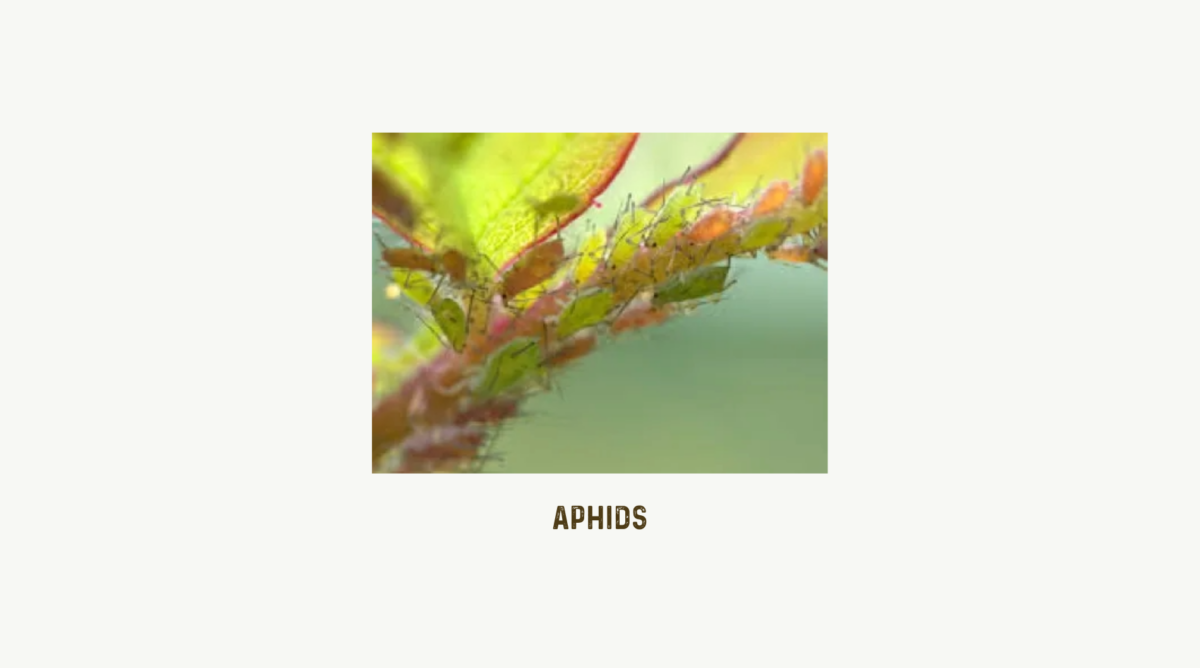
- There are about 1,351 species of aphids currently recorded in the United States and Canada, of which about 80 species are pests of the garden.
- Aphids are slow moving and come in shades of green, red, brown, black and yellow.
- Aphids can affect all garden plants. They have needlelike mouthparts which they use to suck juices out of plants and excrete excess sugars as “honeydew.”
- Aphids do not chew, but large numbers can cause plants to wilt and die.
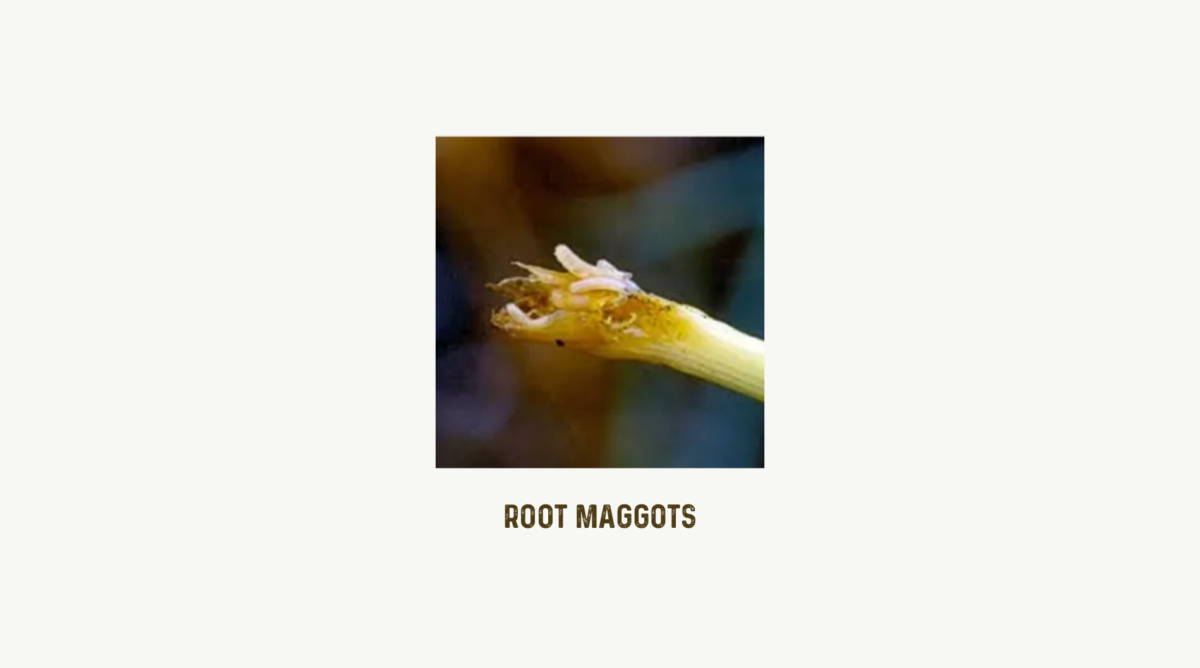
Root Maggots
- These small, white to yellowish grubs are the larva of several different flies.
- Eggs are laid in the soil; they hatch and burrow into root crops such as carrots, onions, radish and turnips leading to disfigurement and bacterial infections to the crop.
- Some species of larva also feed on young roots causing the plants to wither and die.
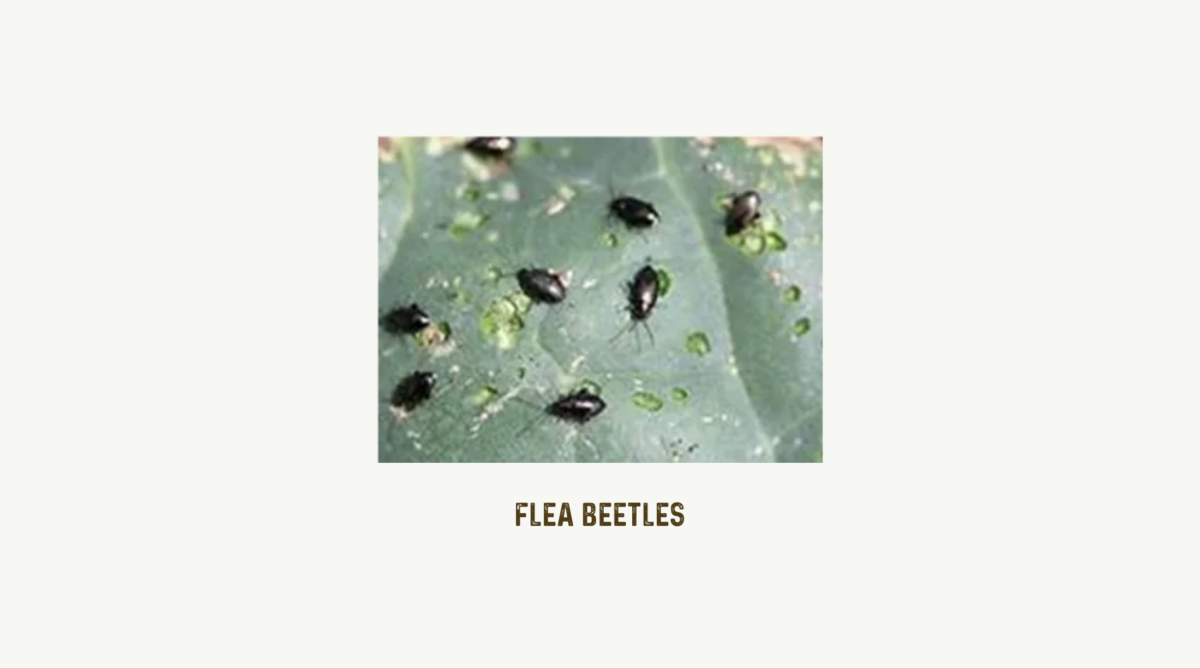
Flea Beetles
- These smallest of the leaf beetles are a metallic blue-black in color.
- Adults do the most damage by eating small holes in the leaves.
- Populations can explode and cause damage quickly leading to stunted growth or dead plants.
- Host plants include broccoli, cabbage, kale and eggplant.
Now that we know what bugs we are dealing with, we can develop a comprehensive IPM (Integrated Pest Management) plan. Keep reading to learn how to encourage “good” bugs as well as other strategies to help in controlling the “bad” bugs from doing too much damage.
Part 2: “Good Bugs”
Predators, Parasites and Pollinators!
Congratulations! By this time of the summer you are probably knee-deep in zucchini, cucumbers and tomatoes, and are thinking about opening a roadside stand. By chance or other means (chemical), you have successfully thwarted the “bad bugs” bent on ruining your hard work, and you are truly enjoying the fruits of your labor. Well done!
As you have toiled in your garden or have been admiring it as it grows, you may have seen many of the “good bugs” of the garden. Little did you know they were voraciously eating the pests. So, how do we encourage these garden helpers? What do they look like? What are their needs? Do we need a combination of chemicals and good bugs to keep our gardens safe? Relax, get an iced tea, and we will sort this stuff out.
First, let’s discuss chemical pesticides. All chemical pesticides carry some level of risk. The National Pesticide Information Center determines the danger level of pesticides based on their level of toxicity, multiplied by how much exposure occurs. Additionally, it is important to know when to apply a pesticide and its effectiveness on the insects you are dealing with.
The first and most obvious benefit to encouraging “good bugs” to visit your garden is not having to resort to using chemical pesticides. Good bugs know what they are doing and do it very effectively — let nature handle it! It’s also free, and you don’t have to expose yourself to chemicals during mixing and application process. Plus, and this is a big plus, chemical pesticides don’t only wipe out the bad bugs — they are just as deadly to the good bugs. This is bad for the long-term maintenance of your garden, as there won’t be a population of natural predators to feed on the pests.
Now let’s get into the nitty gritty. Remember…all bugs are insects, but not all insects are bugs. “Good bugs” are members of several different families. We talked about the top ten bad bugs, now here are the top families of predatory insects. As with the bad bugs, I will highlight what they eat and how to attract them to your garden.
Mantids
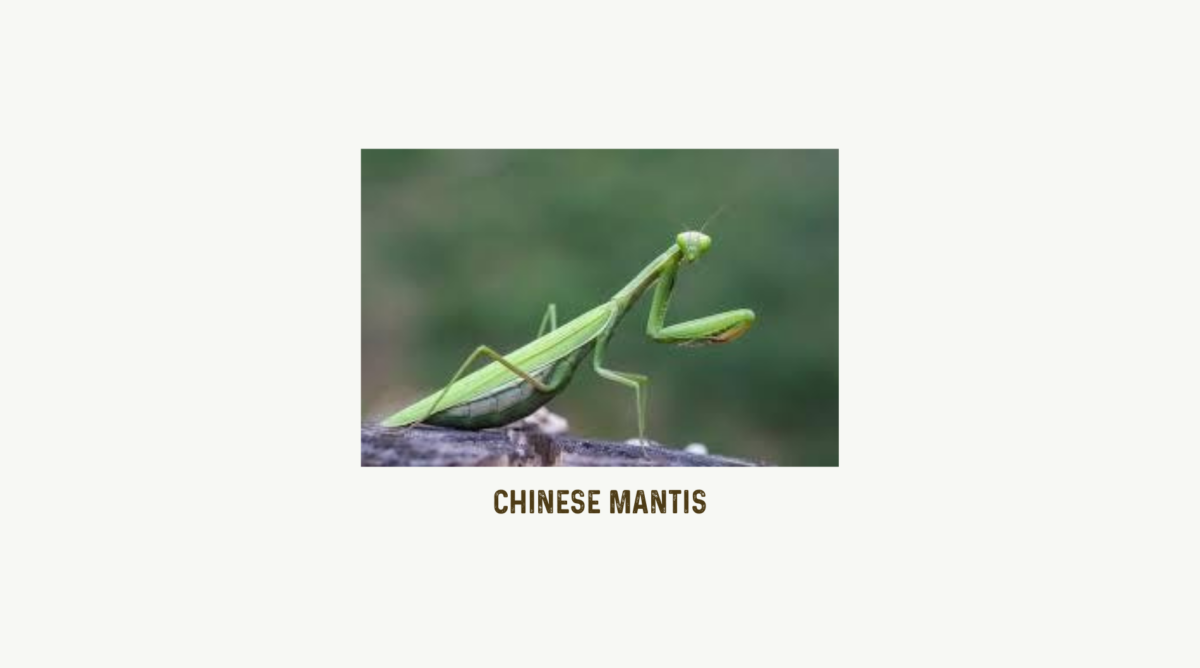
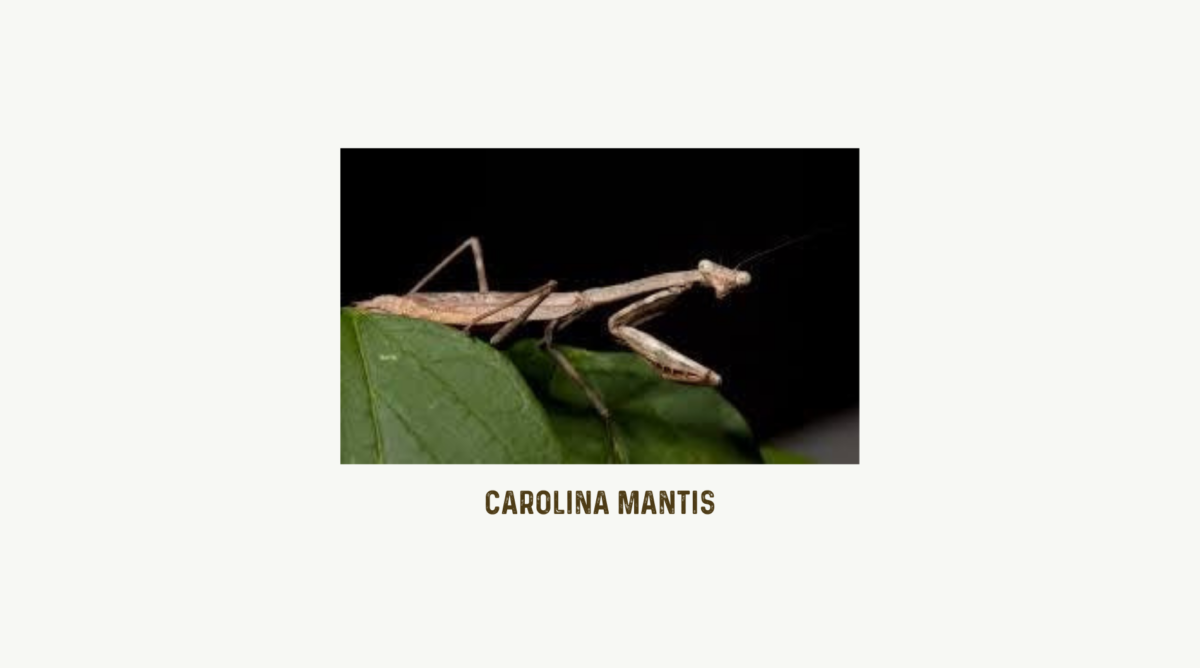
We know them as praying mantis. They are what is called an ambush predator. They sit and wait until some delectable meal passes by and eat anything they can catch.
Dill, fennel, marigolds, and cosmos will attract them to your garden area. The most commonly seen is the Chinese mantis, large and green. Ohio’s native mantis is the Carolina mantis and is brownish grey.
True bugs
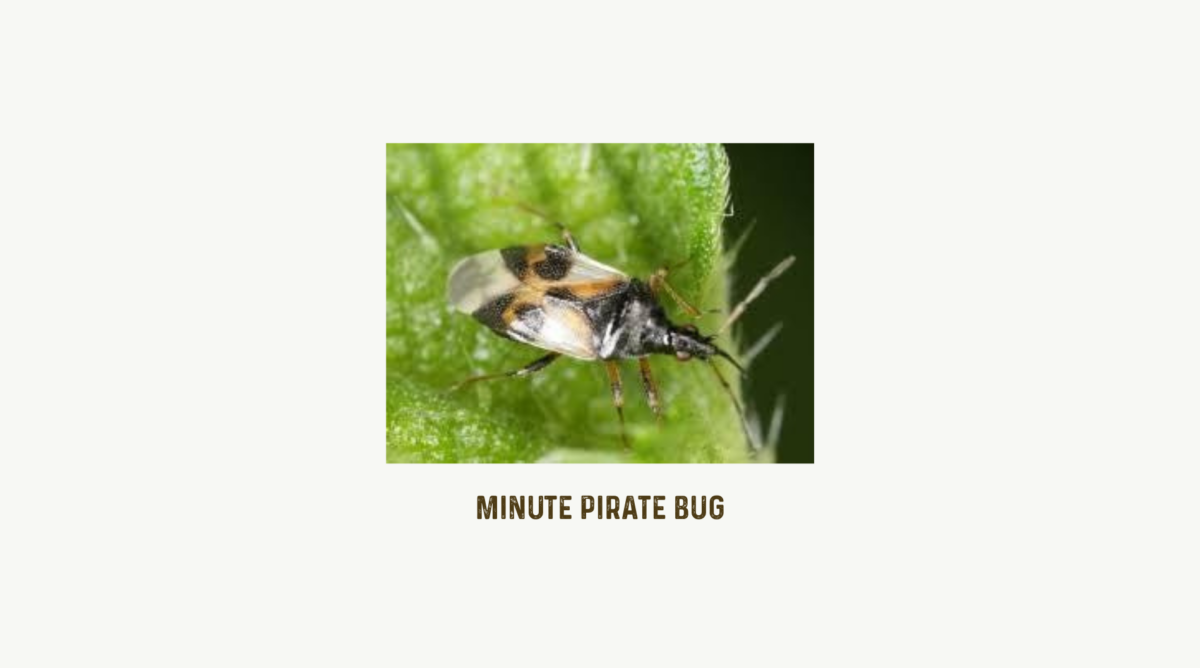
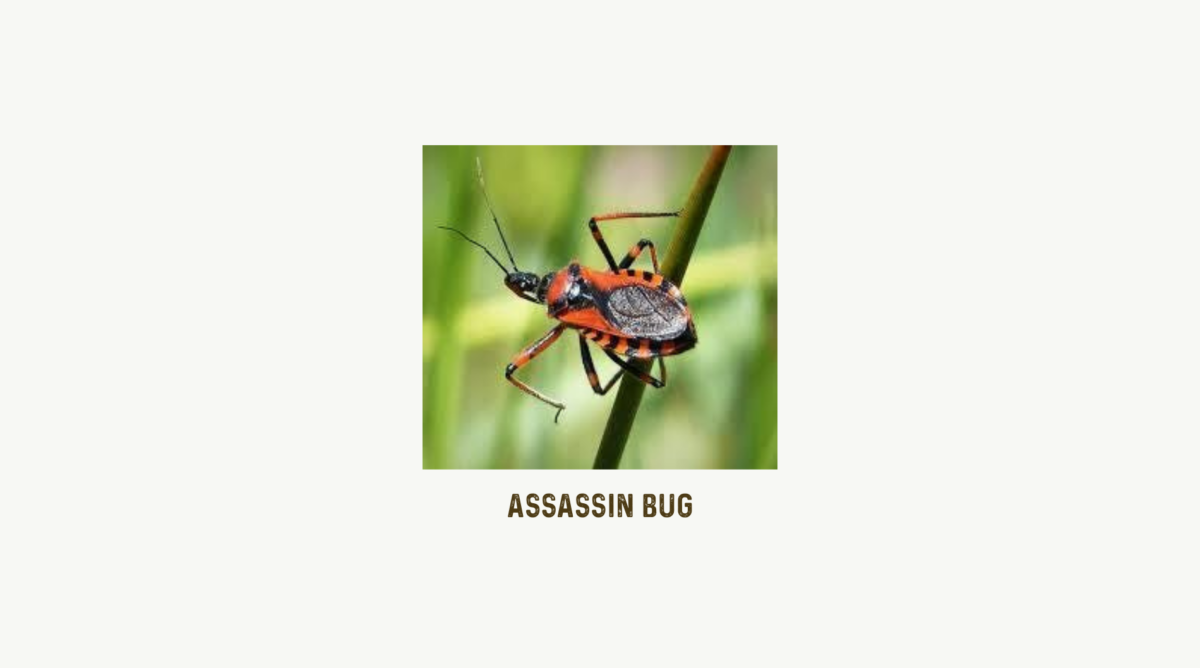
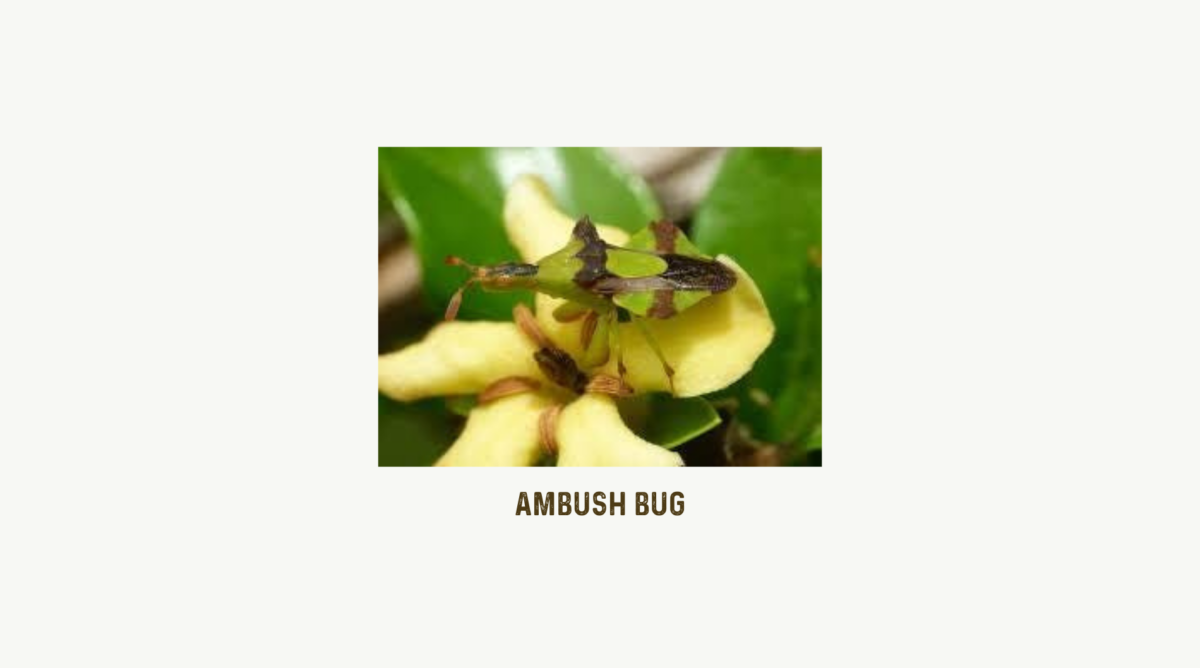
This family, Hemiptera, have piercing, straw-like mouthparts. They pierce their prey, inject enzymes which digest the insides of the prey, and then they suck it out. Just like a Slurpy(tm)!
This group has the best names as well: minute pirate bugs, assassin bugs, walking sticks, ambush bugs and wheel bugs. All these bugs can inflict a painful bite, especially the wheel bug, so be careful when encountering these insects.
This family likes to dine on cucumber beetles, potato beetles, aphids and stink bugs. Dill, fennel, coriander, mints and goldenrods will attract these to your garden.
Lacewings and net-wings
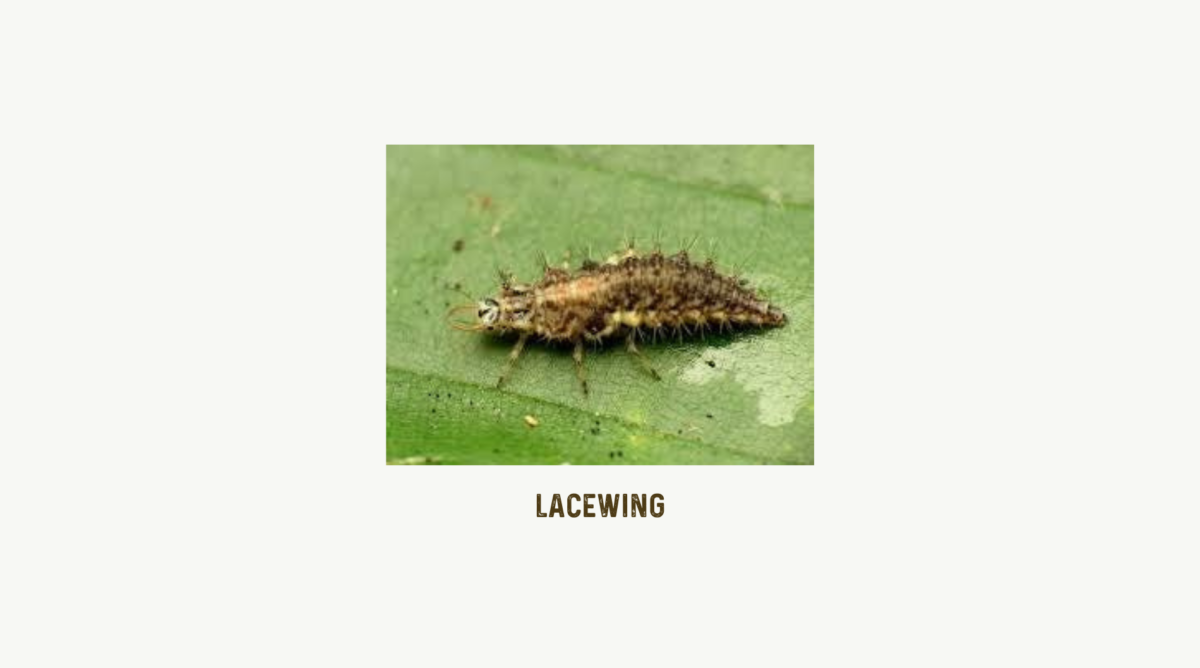
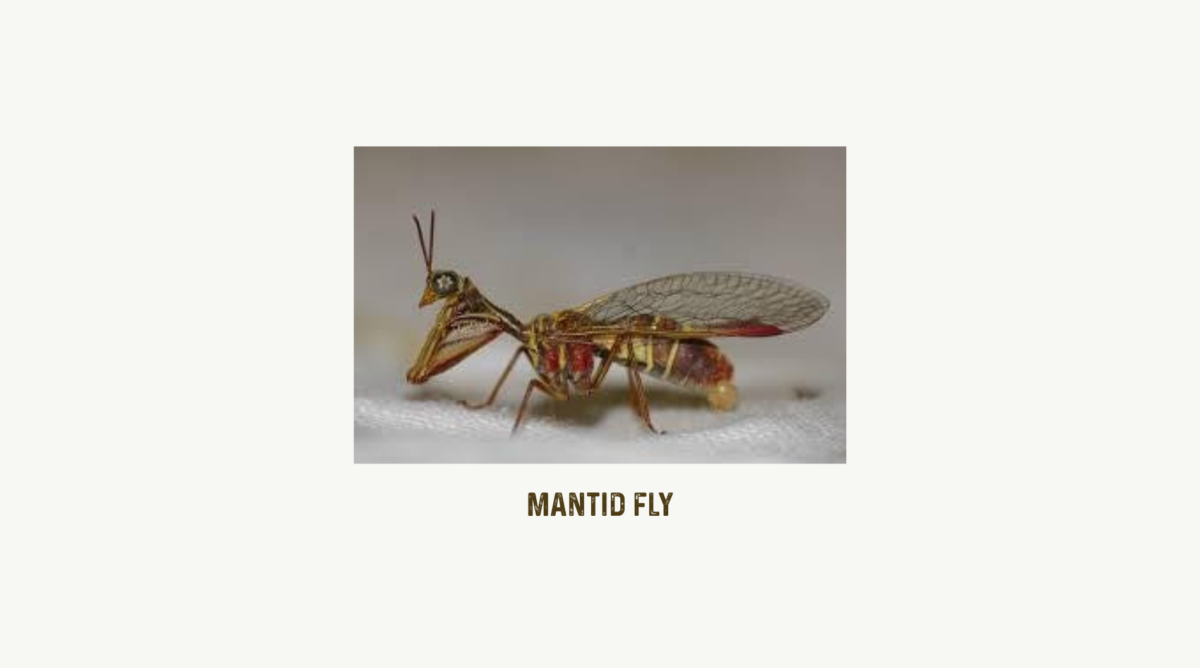

This family, Neuroptera, undergoes complete metamorphosis. In some cases, both the larva and adults are deadly to garden pests. In others, it is the larvae that do all the damage.
Brown and green lacewings are the most common ones we will see in our gardens. The larvae are extremely effective predators, especially on aphids. One member of this group, called a mantid fly, looks like a combination praying mantis and fly. It hunts at night as an ambush predator and will eat anything it can catch.
Ant lions, as the name indicates, eats ants. The larvae bury themselves into the ground, waiting to ambush unsuspecting ants with their large pincers. Coriander, fennel, dill, tansy, and sunflowers will attract this group to your garden.
Beetles
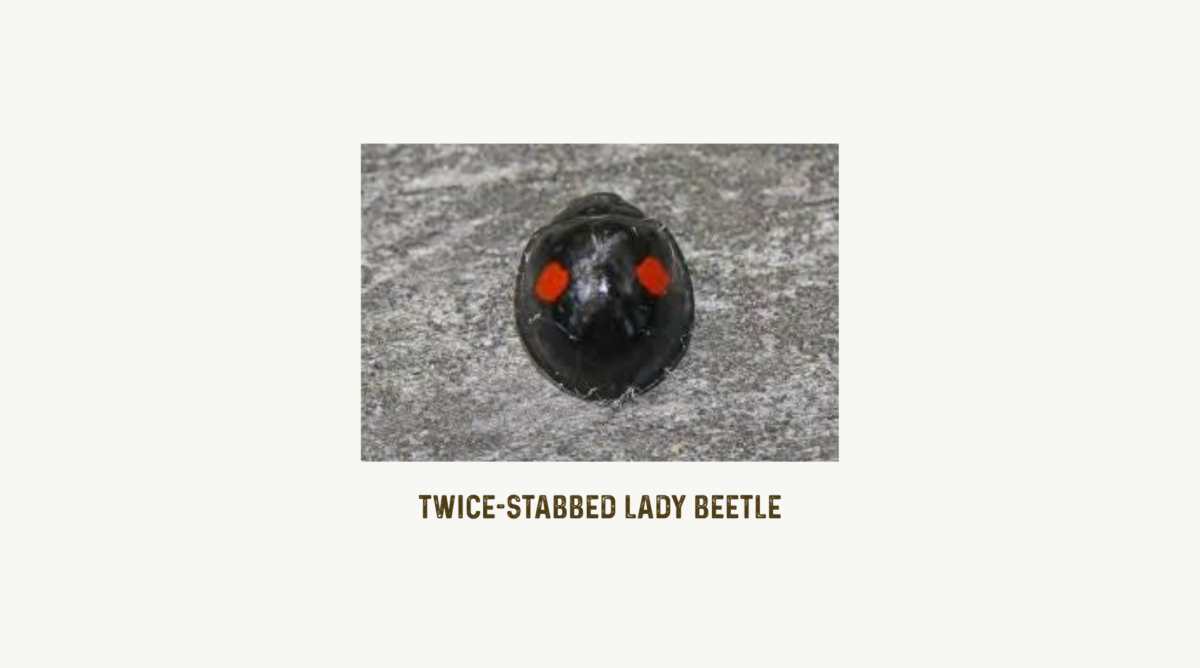
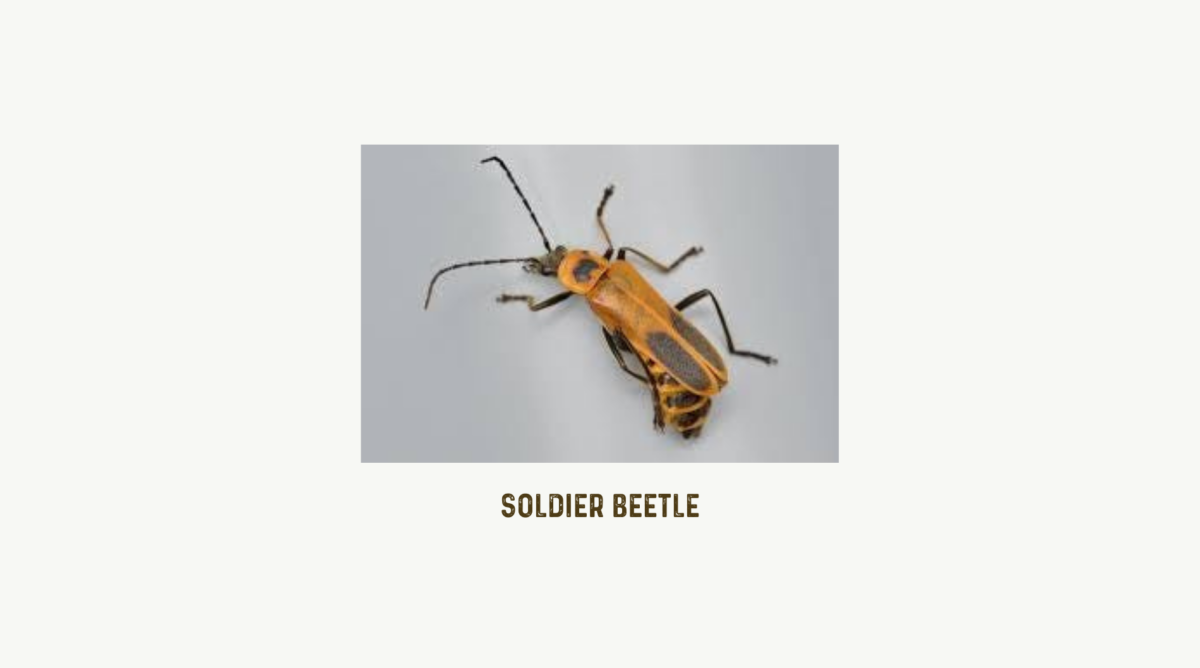
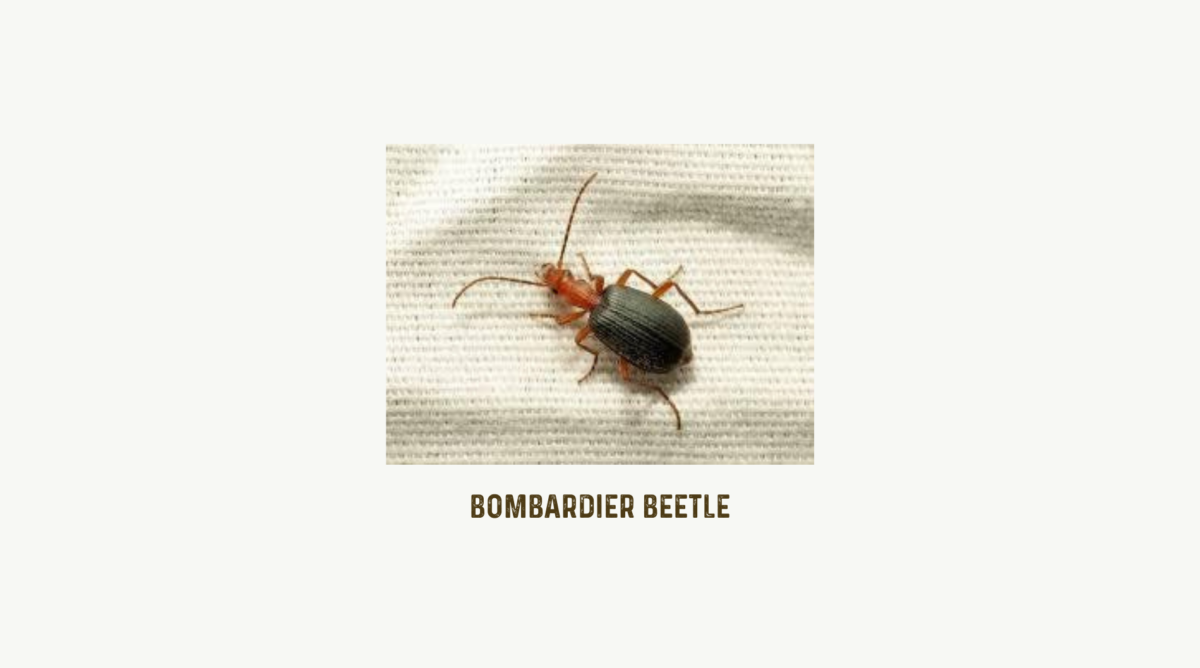
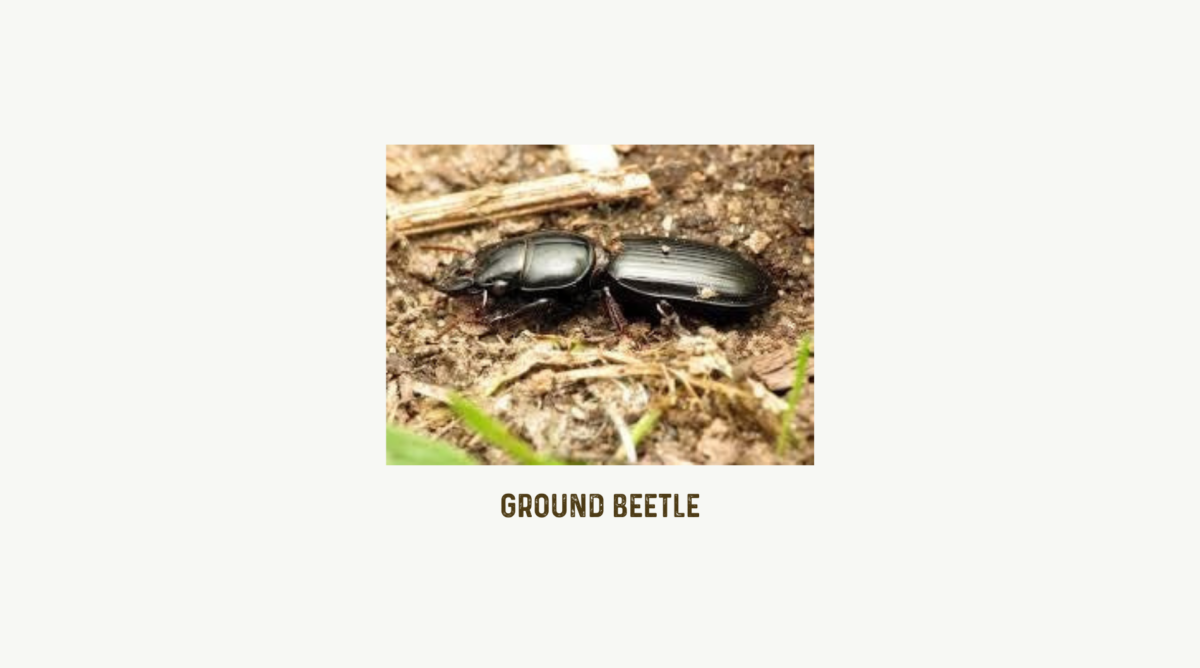
This group, Coleoptera, has the largest number of species of any insect family. In North America, there are 450 species of lady beetles alone.
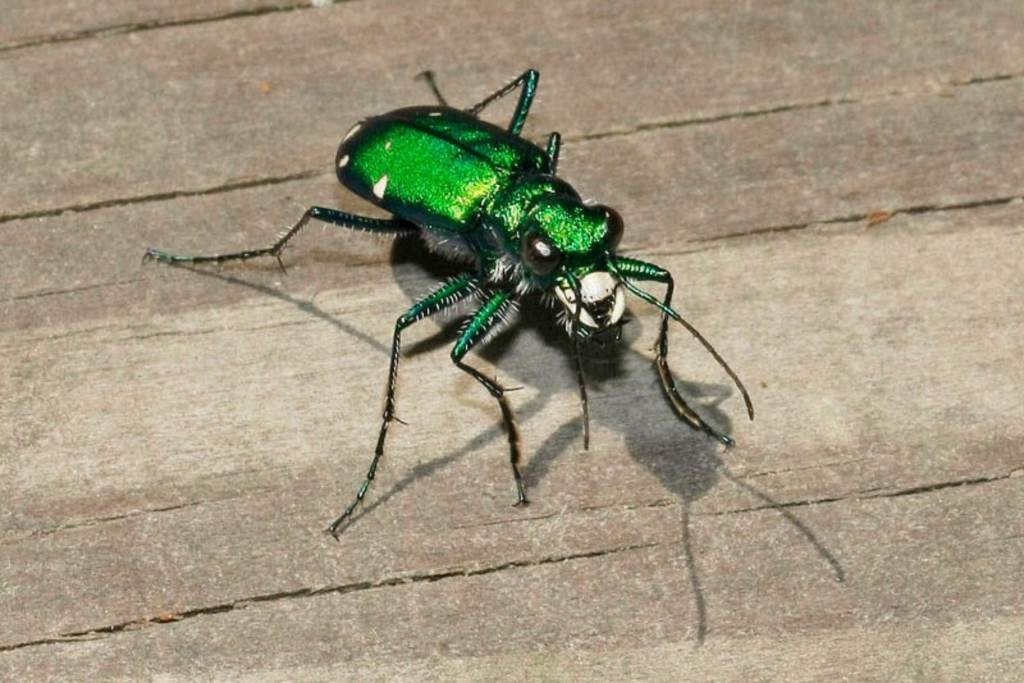
Soldier beetles, ground beetles, tiger beetles, lady beetles (ladybugs), fireflies, rove beetles and soft wing flower beetles are all outstanding predators of the bad bugs in your garden.
Both the adult and larva are predatory in most of these groups. Both adults and larvae consume the eggs, larvae and even adults of their prey. Beetle larvae can be found in the ground, on the ground or on plant material.
Zinnia, goldenrod, mint, parsley, cosmos, perennials and compost will attract these beetles to your garden. Some beetles will eat slugs and snails. Others will eat grasshoppers and other larger insects. Larva will attack aphids, mites and thrips.
So, as you can see, there are many good bugs at your service. All you have to do is entice them into your garden and let them do what they do best: eat!
Learn more about growing a Wild Back Yard.