
Hidden beneath the easy-to-notice fall colors in our woodlands is an underappreciated layer of forest.
If you know what to look for, you’ll find the trees that never reach canopy height, but provide an important forest layer, nonetheless. In many ways, graceful trees like witch hazel and spicebush are like the donors to the Summit Metro Parks Foundation — under-recognized, but essential.
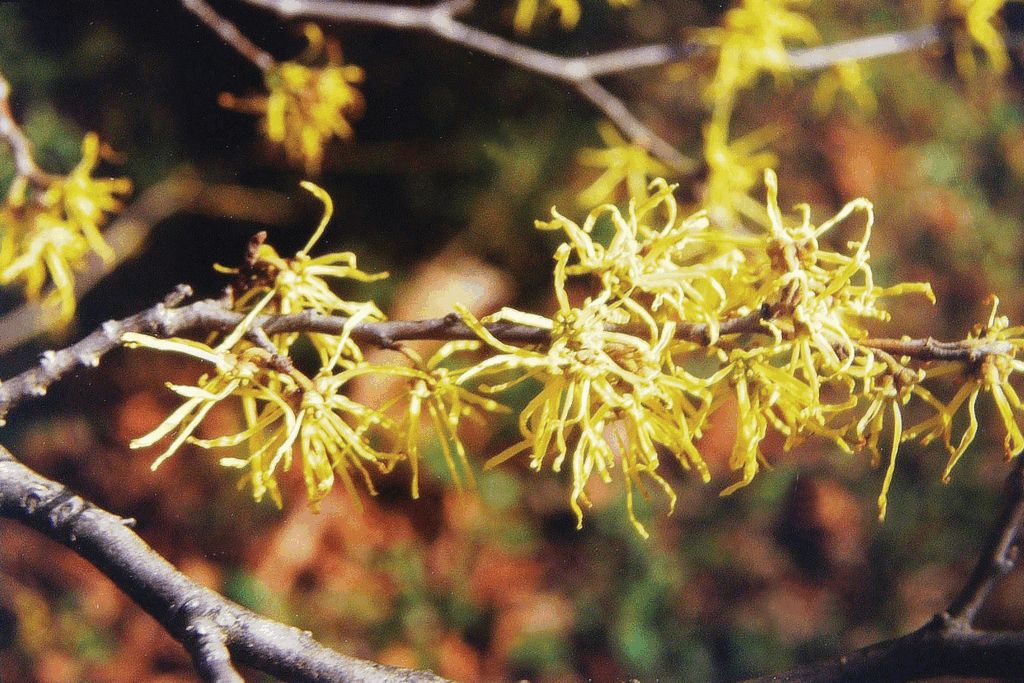
Witch hazel is the only native tree that blooms exclusively in autumn. It’s easy to walk past a witch hazel grove in full bloom and not know it! The light, clean scent of the blooms may tip you off, or the small-diameter twisted multi-trunk growth form and ripple-edged leaves. Look closely and you’ll be rewarded with branches flowered with ribbony bright-yellow petals.
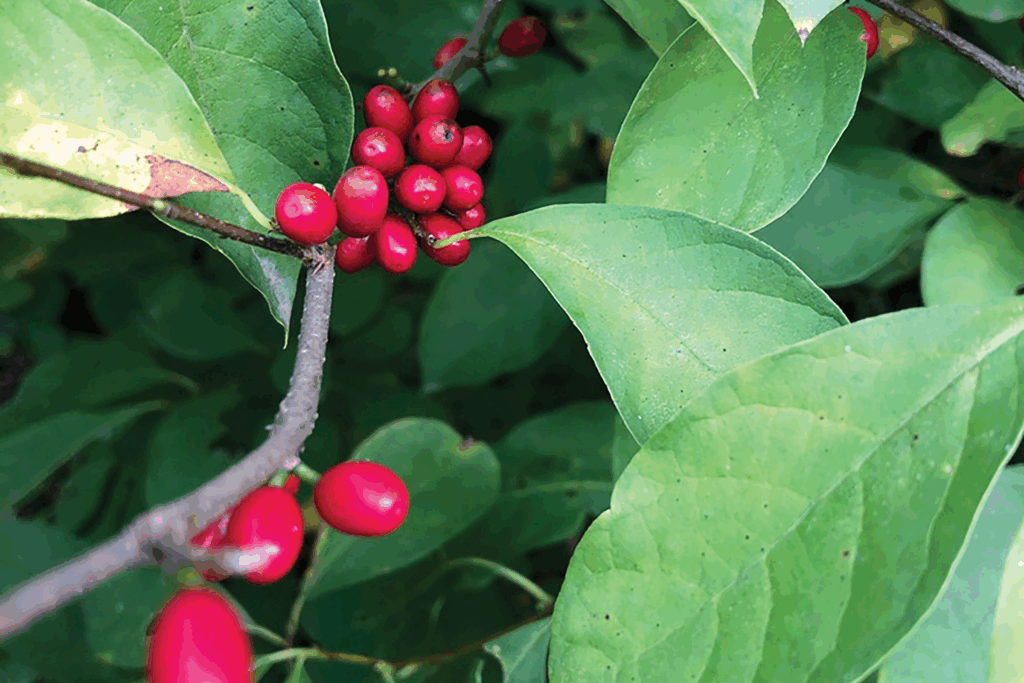
Spicebush’s brilliant red berries are a valuable high-fat food source for fall-migrating wood thrushes, veeries and eastern kingbirds. It’s better known as a host plant for spicebush swallowtail butterflies, which seek it out to lay their eggs on the leaves. The leaves smell distinctively like lemon furniture polish.
The understory of North American forests is a lifeline for bird populations and plays a key role in water availability and nutrient cycling. You can plant native to support our wildlife and human health, too — find out more through the Wild Back Yards program.
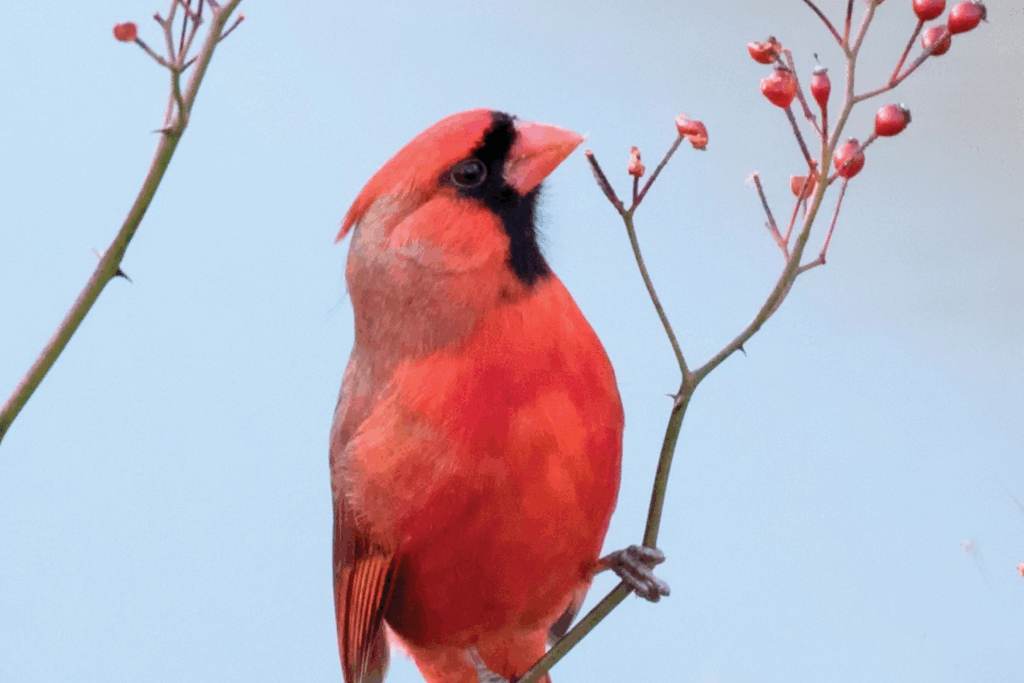
These native plants, like the supporters of the Summit Metro Parks Foundation, have deep roots here in Summit County. They provide reliable, important food for wildlife, a critical role in our forest ecosystem and eye-level beauty as we walk the trails. Most of all, they are an important layer to the overall health of our parks.
Your contribution supports exceptional parks, for everyone. Learn more about how you can make a lasting local
impact.
For more stories like this, check out Green Islands magazine, a bi-monthly publication from Summit Metro Parks. Summit County residents can sign up to receive the publication at home free of charge.