
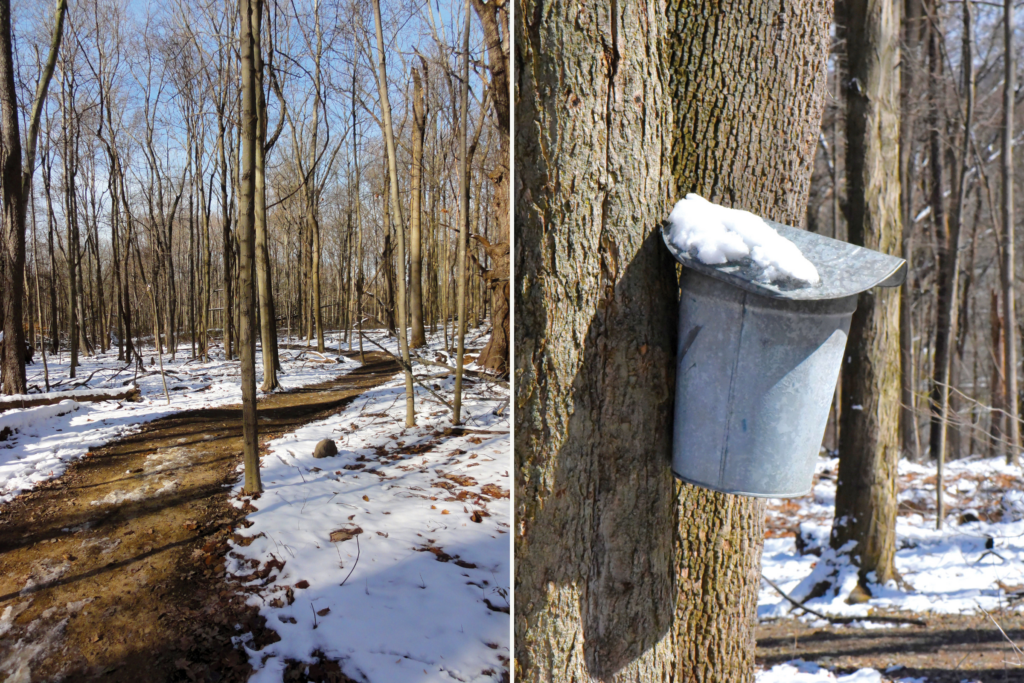
As you walk through the woods, look around: You are surrounded by more than a collection of trees; you’re in a unique community! Ohio’s forests form distinct “communities,” each named for their dominant trees — beech-maple, oak-hickory and elm-ash swamp. The forests here in Northeast Ohio are dominated by two long-lived, shade-tolerant trees: the American beech (Fagus grandifolia) and the sugar maple (Acer saccharum). These trees thrive on the moist, fertile soils common to the northeast.
Because both beech and maple seedlings can germinate and grow in deep shade, they gradually outcompete less shade-tolerant species, creating dense stands with rich understories of spring wildflowers. These trees support wildlife year-round by providing early resources for pollinators and food for nearly 300 species of caterpillars. They are also an important source of seeds and nuts for birds and mammals in the fall.
Closely tied to this forest community is the Maple Belt, the geographic zone extending across the northeastern United States and southeastern Canada, where maple trees are most abundant. Several species thrive here including sugar, black, red, silver and striped maples, and the closely related box elder. The region’s cold winters and warm spring days create the perfect freeze-thaw cycle that makes maple sap flow. Thanks to these conditions and the high sugar content of sugar and black maples, the Maple Belt is the heart of the world’s maple syrup industry.

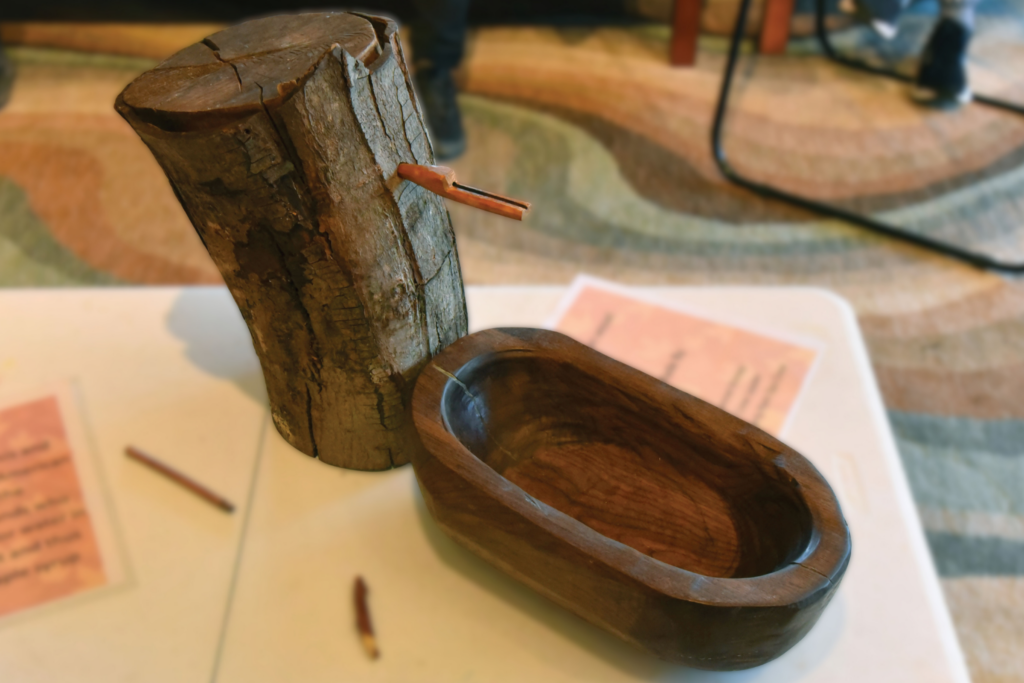
This natural bounty gave rise to maple sugaring, which is the practice of tapping maples — especially sugar, black and red — and boiling their sap into sweet syrup. Indigenous Peoples were the first to discover and develop methods for processing maple sap. They noticed sap trickling not only from broken twigs but also from the chew marks left by squirrels, which helped reveal the tree’s hidden sweetness. European settlers later adopted and expanded the practice. Gustav Grimm from Hudson, Ohio revolutionized the sugaring industry with the invention of the commercial evaporator, which allowed for large-scale production. Today, sugaring remains both a cultural tradition and a thriving business enterprise here in Northeast Ohio.

Did you know Summit Metro Parks makes maple syrup? While hiking Liberty Park’s beech-maple forest, watch for our maple sugaring site along Black Bear Trail. And be sure to view our calendar for our March maple season programs!
For more stories like this, check out Green Islands magazine, a bi-monthly publication from Summit Metro Parks. Summit County residents can sign up to receive the publication at home free of charge.