
These small, yet vital habitats hide an underwater wonderland
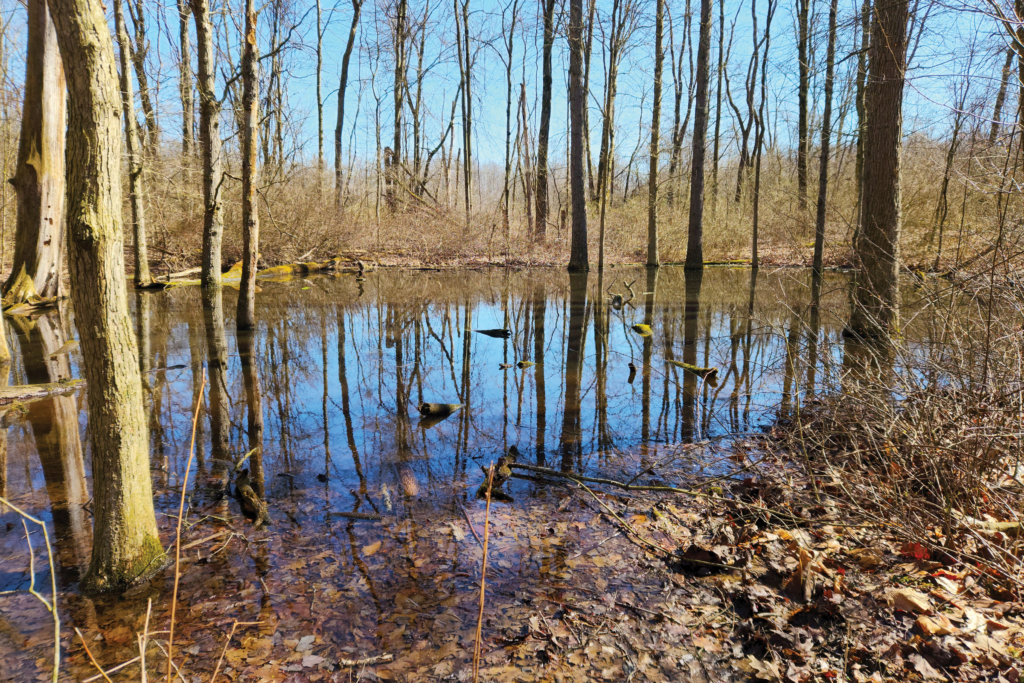
Under the cover of warm rain on early spring nights, dozens of small and slimy creatures begin to crawl across the forest floor. Who are they and where are they headed? They’re amphibians and they’re making their annual “migrations” to vernal pools. Vernal — meaning spring — pools are small, shallow pockets of water that form on the forest floor each year as winter thaws into spring. Although they may resemble a puddle, these habitats are crucial to the health of woodland ecosystems and the wildlife relying on them.
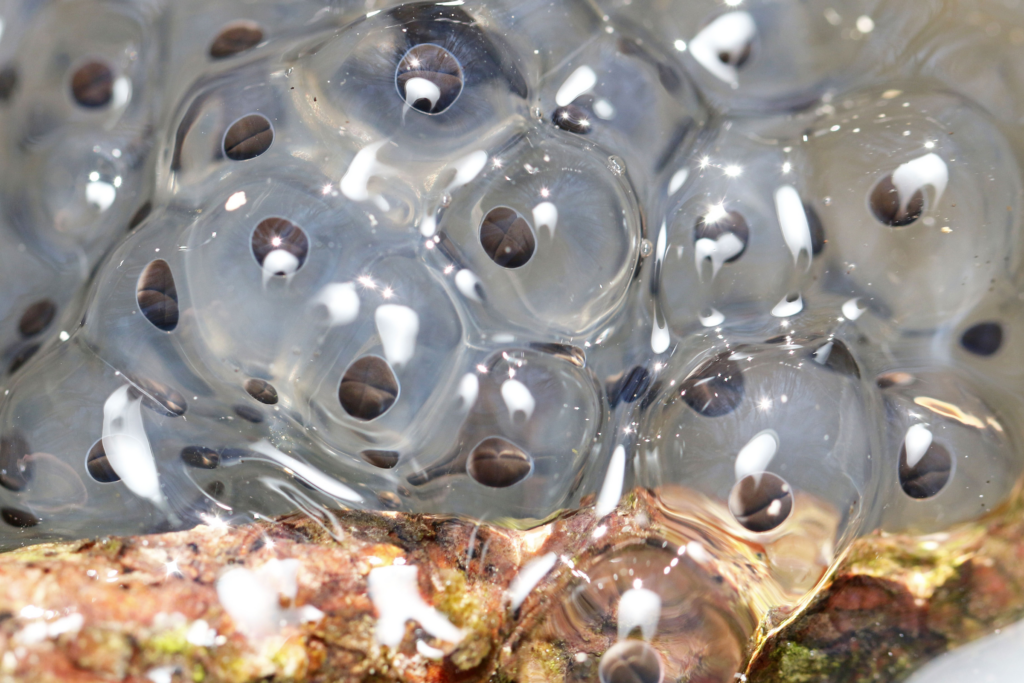
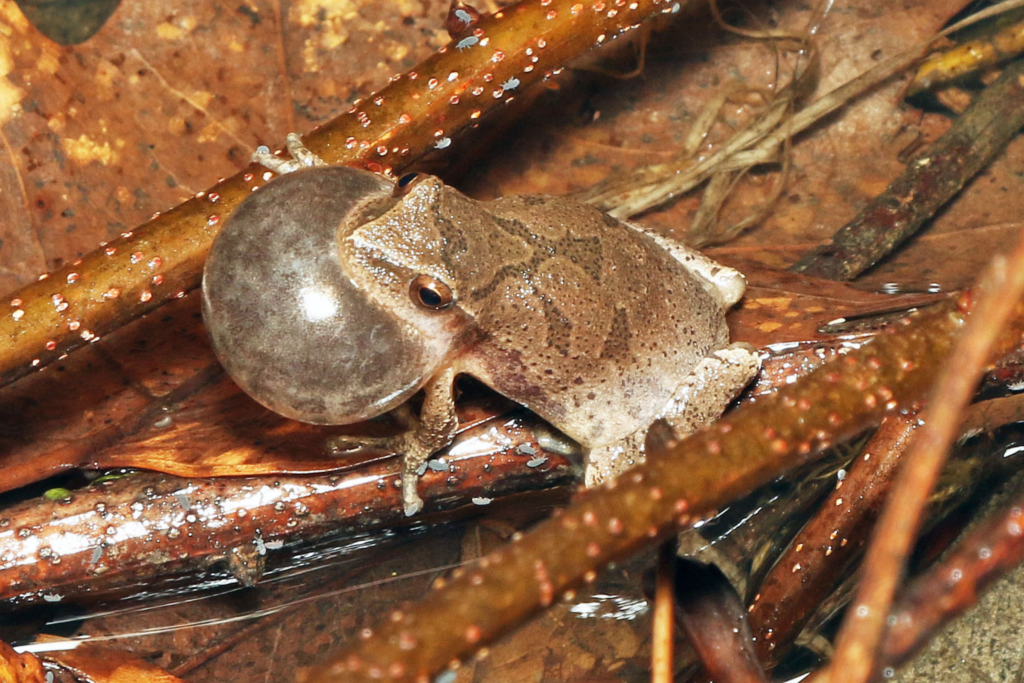
Amphibians such as spotted salamanders, wood frogs and spring peepers are just some of the species that utilize these pools as breeding grounds, often returning to the very pool they were born in. Unlike other wetland habitats, vernal pools are free from strong currents and hungry fish, making them the perfect safe haven for soft, fragile amphibian eggs.
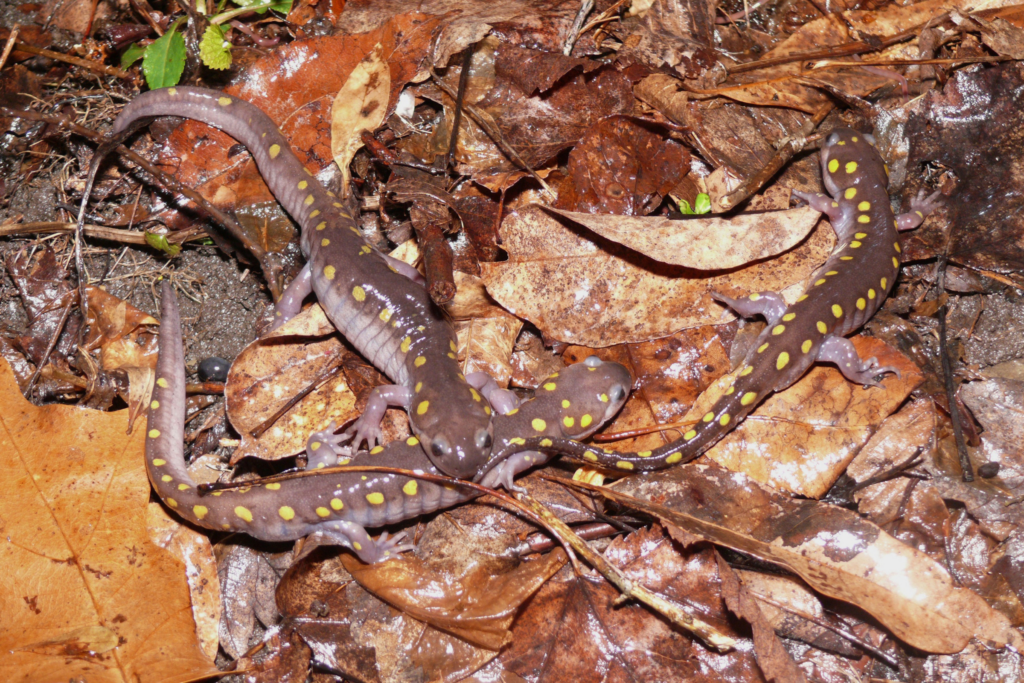
Once they hatch, a high diversity of insect larvae serve as an abundant food source as these amphibians grow, metamorphosize and prepare for life on land. Their transformation is often a race against time as these pools fade away into the leafy landscape of the forest floor by midsummer. Why? They’re shallow enough to fully dry out as sunlight and temperatures increase throughout the season. This is why you may hear vernal pools referred to as “ephemeral,” meaning temporary.
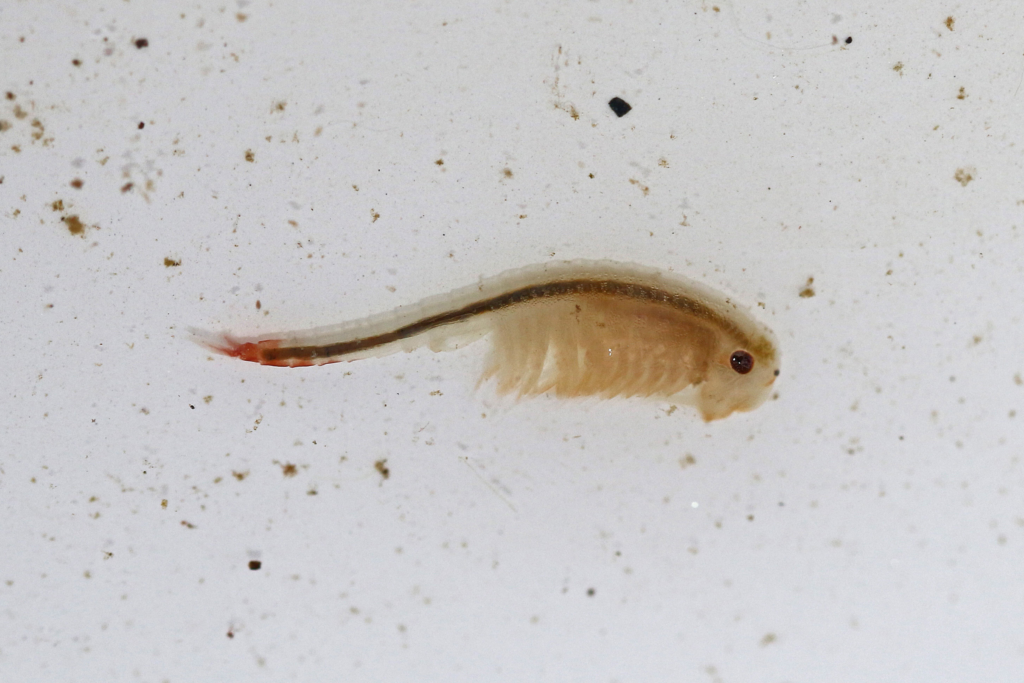
Living among these amphibians and insects are other specialized species found only in vernal pool ecosystems. One is the fairy shrimp — a tiny, often-overlooked crustacean that can be found swimming on its back using 11 pairs of fluttering legs. If that doesn’t sound enticing to you, it certainly would to a hungry salamander nymph, showcasing how vernal pools help form the basis of a forest’s food chain.
But that isn’t the only important role of vernal pools. To scientists, they serve as bioindicators or living representations of the health of an ecosystem. The presence or absence of any particular species in vernal pools (even ones as miniscule as bacteria or fungi) can clue us in to the health of a forest, as many of the species reliant on vernal pools are highly sensitive to disturbance and pollutants. Our continued monitoring, understanding and appreciation of these habitats can help ensure their longevity. Vernal pools are mysterious, underwater wonderlands that, as long as we take the time to look, remind us how fascinating the natural world can be.
Want to see more? Join us for upcoming amphibian programs to participate safely during this sensitive season.
Kid’s Corner: Word Search
Did you know? The word “vernal” comes from another word for springtime, clueing us in to when these temporary habitats can be found on the forest floor.
Learn by finding all the words in our word search. Download a copy to print at home. Once you’ve found all of the words, double check your results.
For more stories like this, check out Green Islands magazine, a bi-monthly publication from Summit Metro Parks. Summit County residents can sign up to receive the publication at home free of charge.