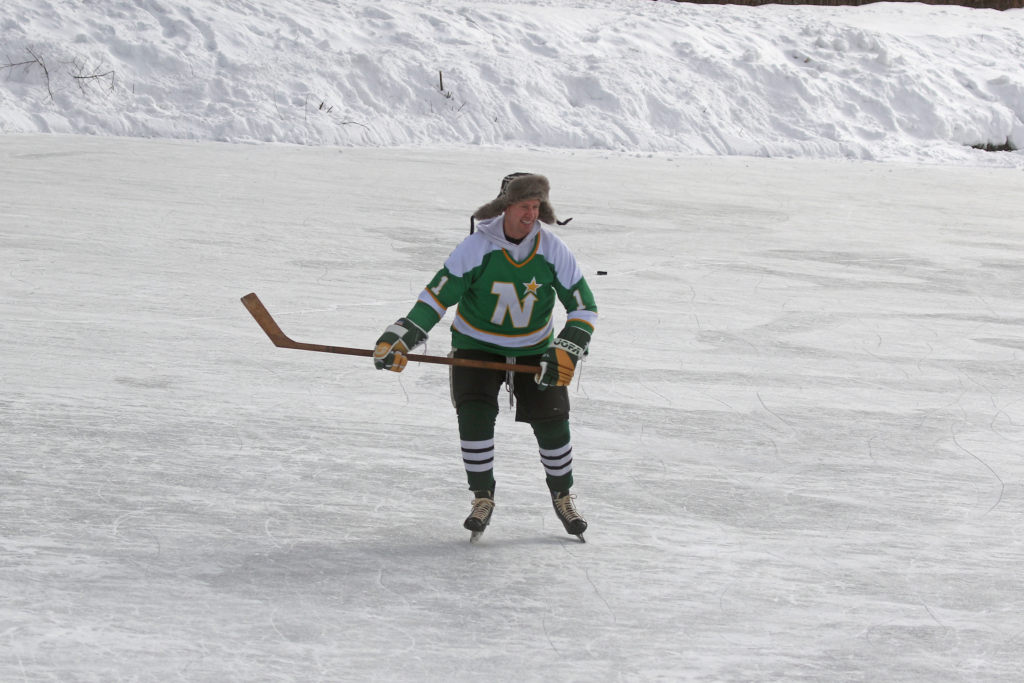
Ice skating is more popular than ever, thanks to the 2026 Winter Olympics, hockey season and a popular Canadian television show. Wondering where you can go ice skating for free in Summit County? Your Metro Parks have just the spot.
Going ice skating sounds simple enough. You put on warm clothing, lace up your freshly sharpened skates, slide into your coziest mittens and hit the ice. While you’re skimming across the pond and twirling through the cool air, the process behind how the ice was prepped likely doesn’t enter your mind.
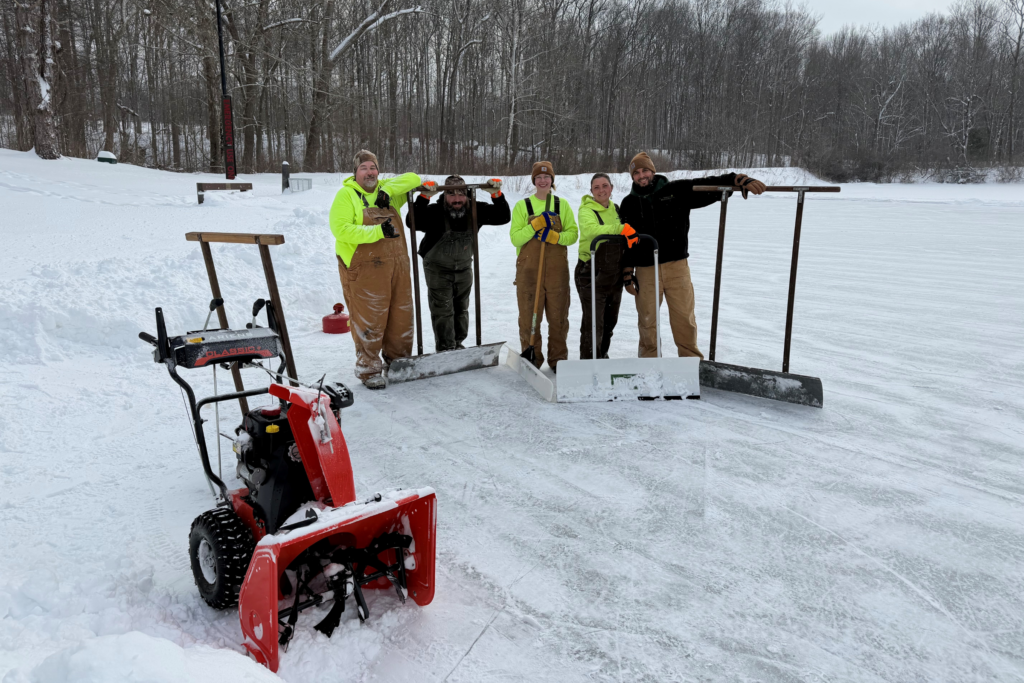
However, it can take up to four hours to ensure the ice on Brushwood Lake is ready for skaters. Find out how the operations team at Furnace Run Metro Park prepare the ice for some winter fun.
Wondering why ice skating is now only hosted at Furnace Run Metro Park? A variety of factors, such as decreased attendance and mild winters, culminated in discontinuing ice skating at some of the Metro Parks. Read about the related changes at the Big Bend Area of Sand Run Metro Park.
The right conditions for outdoor ice skating
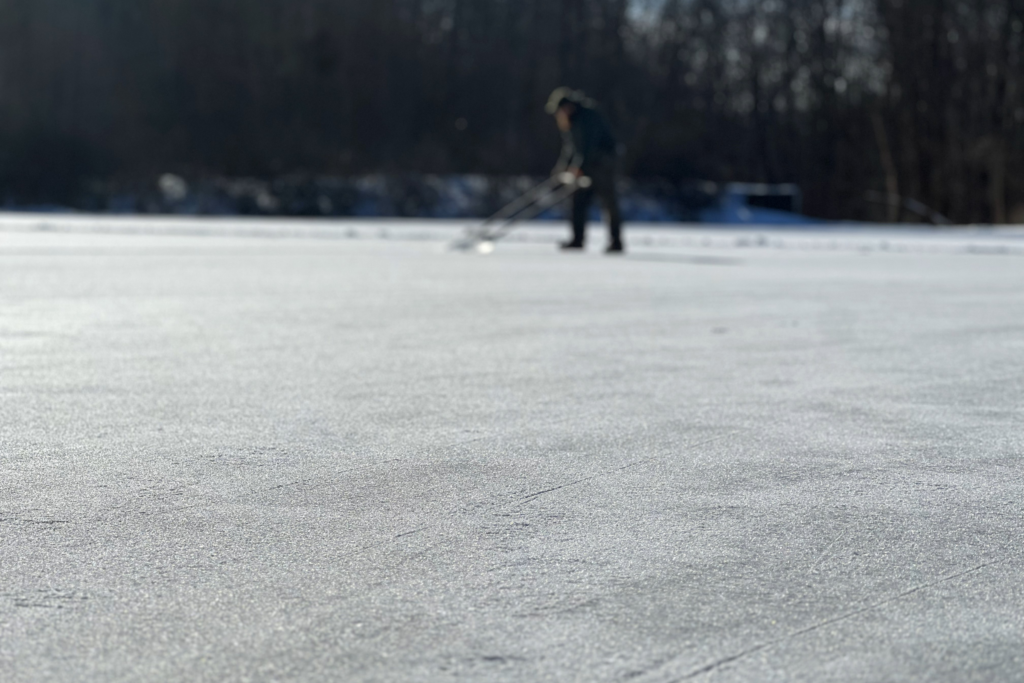
Cold temps and snow on the ground don’t automatically equal ideal ice skating conditions. There are a few important factors we must consider.
We usually begin to check ice thickness after a week or more of daytime low temperatures being below freezing and nighttime temperatures being in the teens. It must be at least four inches thick. Ice can build up to an inch over 24 hours when it’s 17 degrees or colder. But, as the ice gets thicker, the rate of growth decreases since the existing ice insulates the water from cold air.
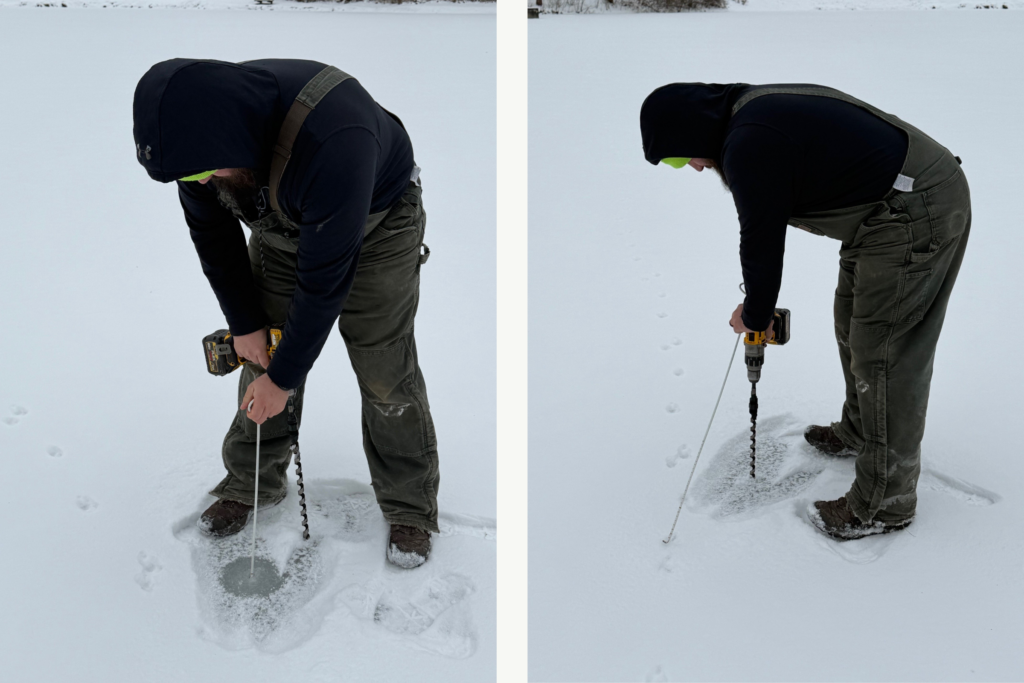
To test the thickness, we drill three small holes in random areas right outside the area we want to clear for ice skating. After drilling a hole with a 3/4-inch auger and cordless drill, we slip an L-shaped rod into the ice. The rod is marked every 1/2 inch so we can measure the thickness of the ice once the L shape hooks onto the bottom.
Snow also plays a big role. Snow sitting on top of ice insulates it and slows the freezing process. Cold temps with minimum precipitation are best for getting a good freeze and prepping the surface.
During winters when freezing conditions are soon followed by warmer temperatures, the lake partially melts and refreezes. When this happens, it’s much more difficult to create a smooth surface for quality ice skating.
When Brushwood Lake is open for ice skating, we check the ice daily and continue to monitor thickness, quality and conditions.
Preparing the lake for ice skating
When the temperatures are below freezing, northern Summit County tends to get a lot of snowfall. So, one of the biggest tasks is removing snow from the skating area.
As mentioned before, more snow on top of the lake insulates the ice and slows the freezing process. Because of this, the snow removed from the skating area can’t be blown to another part of the lake.
If there’s more than two inches of snow, we move the snow from the interior edge of the ice skating area to the shoreline using a walk-behind snow blower. When there is less than two inches of snow, we use plastic or metal snow shovels.
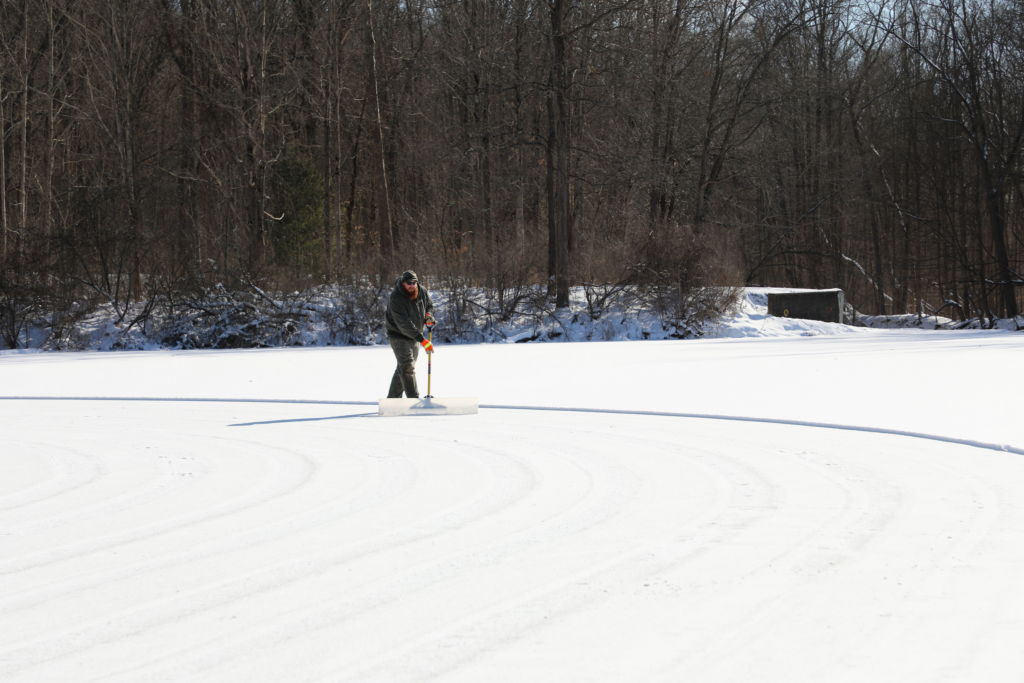
During larger snow events, our crews do what they can to remove snow as it accumulates. This helps prevent the need to remove several inches of snow later on, which takes a lot of time. With significant snowfall, ice skating preparation can take three to four hours. Daily touchups can take 30 minutes or less with a couple of people removing remaining snow with shovels.
If the surface of the ice is rough, we will flood the area and let it refreeze to create a smoother surface. To do this, we auger a 6-inch hole outside the skating area so we can use a water pump to pull water from the hole and cover the skating area with 1/8- to 1/4-inch of water. This is only done in the morning when it’s below five degrees to ensure the surface quickly refreezes in time for the first ice skaters of the day.
Since the entire process to prep the ice is done by hand, it takes at least two people 30 minutes to a few hours. In the past, we used larger equipment to clear the ice at former skating locations. However, since that requires much thicker ice, and the weather isn’t consistent enough to ensure proper conditions, we no longer solely rely on a tractor and rear blade.