
As bird migration picks up in the spring and throughout summer, we’re often asked what to do with injured birds. These unlucky flyers zoom into windows or fall out of nests, leaving homeowners and park visitors just as stunned.
Birds suffer from window strikes and other accidental injuries around homes, offices and other buildings. Young birds can be clumsy, falling out of nests or struggling to get used to their ability to fly.
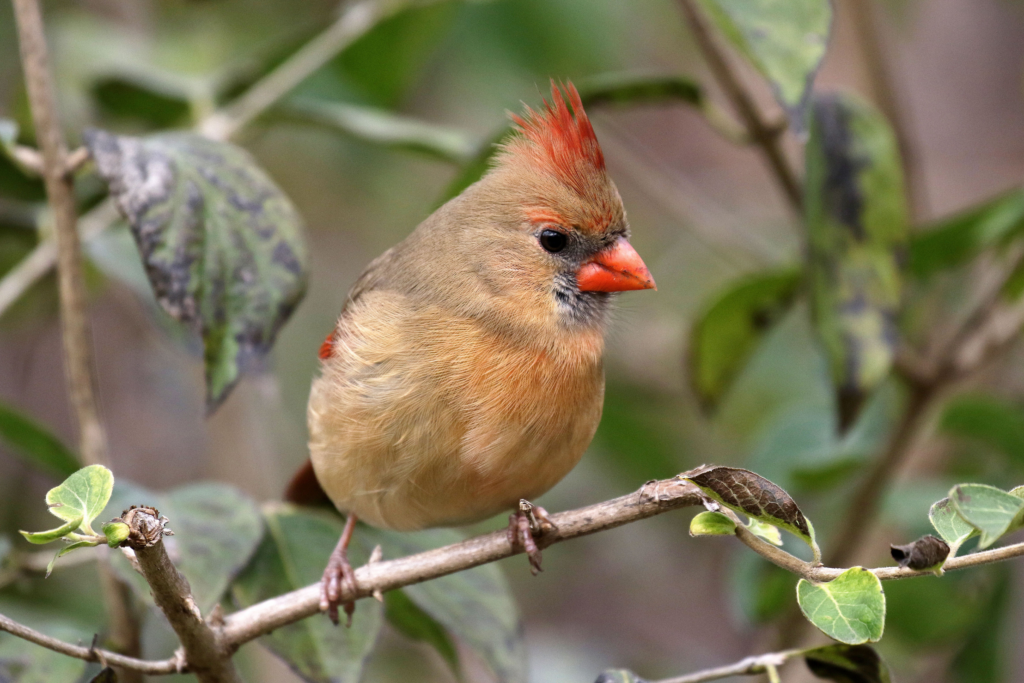
How to tell if a wild bird is injured
If you find a bird on your property that appears to be injured, there are a few things to look for. If one wing is hanging lower than the other, it might have an injured wing. Birds that have experienced a window strike will likely have their eyes closed and mouth open.
In both instances, call a local wildlife rehabilitator or a Summit Metro Parks nature center for instruction. Do not touch the bird unless instructed or if the bird is in immediate danger.
If you find a dead bird on your property, wear disposable gloves, place the bird into a bag and place it in the trash. Wash your hands immediately after.
If you find an injured bird in Summit Metro Parks, please contact our Administrative Offices at 330-867-5511 (weekdays, 8 a.m. to 4:30 p.m.) or Metro Parks Police at 330-475-0029 (after hours, weekends and holidays). Again, do not touch the bird in order to prevent inadvertently causing more harm.
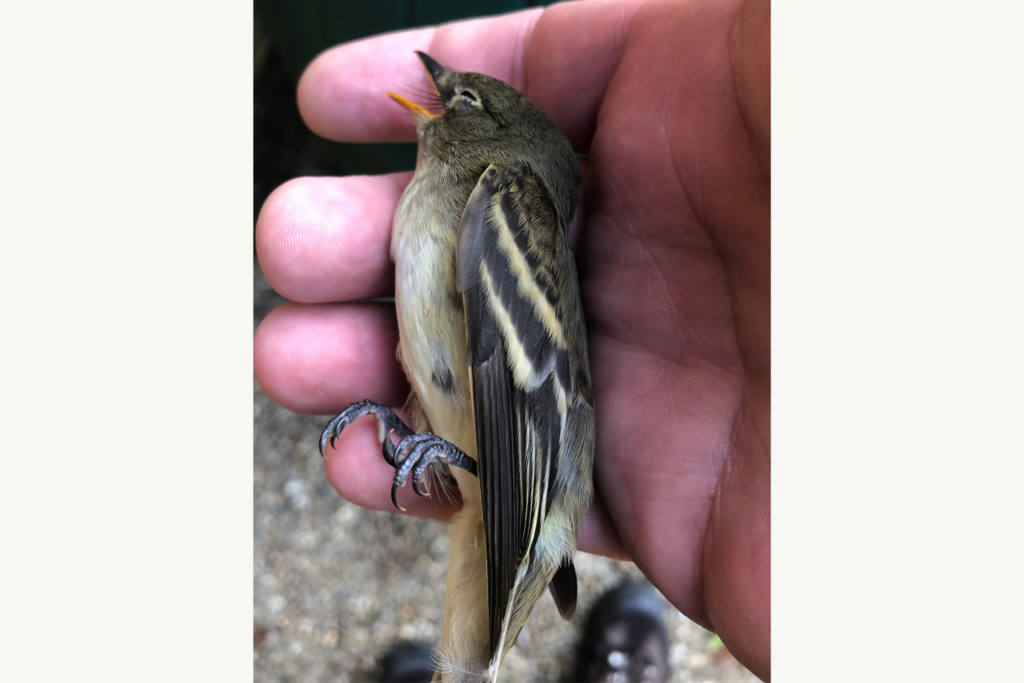
Abandoned vs. adventuring
Young birds may be found outside of their nests, prompting questions of being abandoned, injured or lost.
Most birds found on the ground are fledgling birds exploring the world for the first time. They likely don’t need help. There are a few things to look at before you take action.
If the bird is bare and doesn’t have feathers, it could be an accidental fall and it’s acceptable to place the bird back in the nest (remember to wear gloves and exercise caution). If that isn’t possible, place the bird in a plastic or cardboard container lined with a towel or other soft material to comfort them. Then, call a local wildlife rehabilitator as soon as possible for information on how to proceed.
If the bird appears to have feathers — most importantly, flight feathers on the wings and tail — it is most likely a fledgling bird and meant to be out of the nest. To assist the bird, place it in a tree or small box or basket close to where you found the bird. This will ensure that the bird’s parents can still feed it.
It’s highly uncommon for a baby bird to be abandoned. Metro Parks staff often receive reports of “orphaned” animals, but in most cases, the parent is simply nearby gathering food. Be sure to consider the options and observe before taking any action.
If you are unsure what to do, call a local wildlife rehabilitator or a Summit Metro Parks nature center for information on how to proceed.
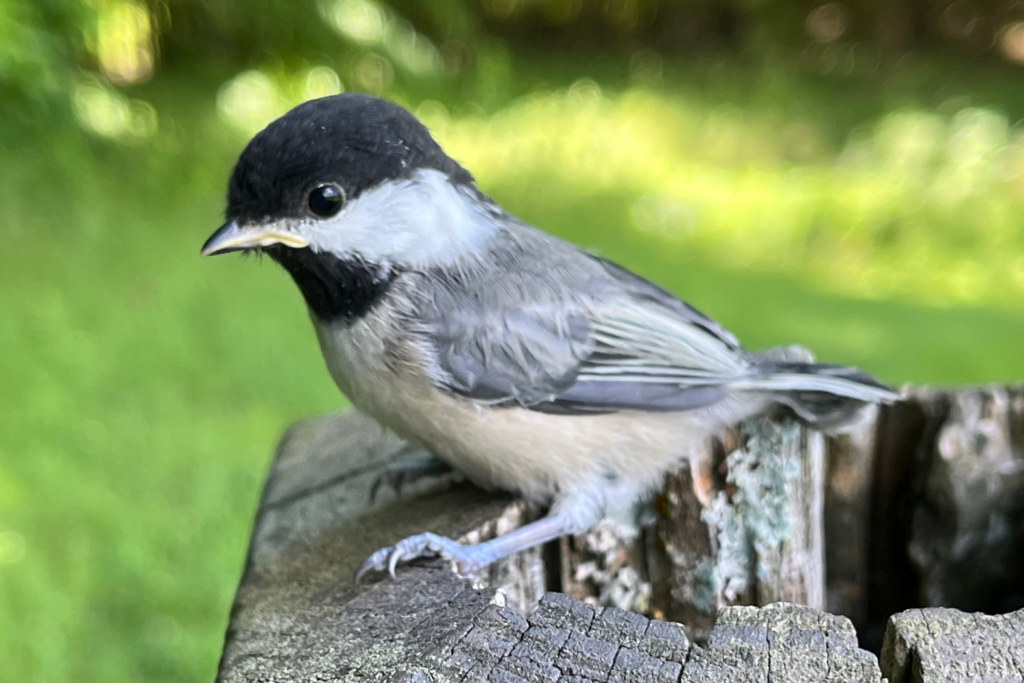
How to make your home safer for birds
There are several ways you can make your home safer for birds. The easiest method is to turn off outdoor lights during busy bird migrations in the spring and fall.
Another easy way is to place decals on your windows to break up the reflection of the sky. Keeping bird feeders away from buildings can also help prevent window strikes and accidental injuries.
Respect wildlife
Although we are committed to wildlife conservation, Summit Metro Parks does not accept animals for rehabilitation. Since we do not have the proper facilities, we recommend reaching out to a local wildlife rehabilitation organization.
Remember: It is illegal to possess native bird species or their parts, eggs and nests under the Migratory Bird Treaty Act of 1918. Any aforementioned parts need to be properly disposed of or left in nature.
Respect wildlife by observing from a distance and avoiding interference as much as possible.