
Why — and how — everyone should compost
Food makes up nearly 25 percent of solid waste sent from homes to landfills every year. By composting organic materials, you can help reduce the amount of methane landfills produce while improving soil quality.
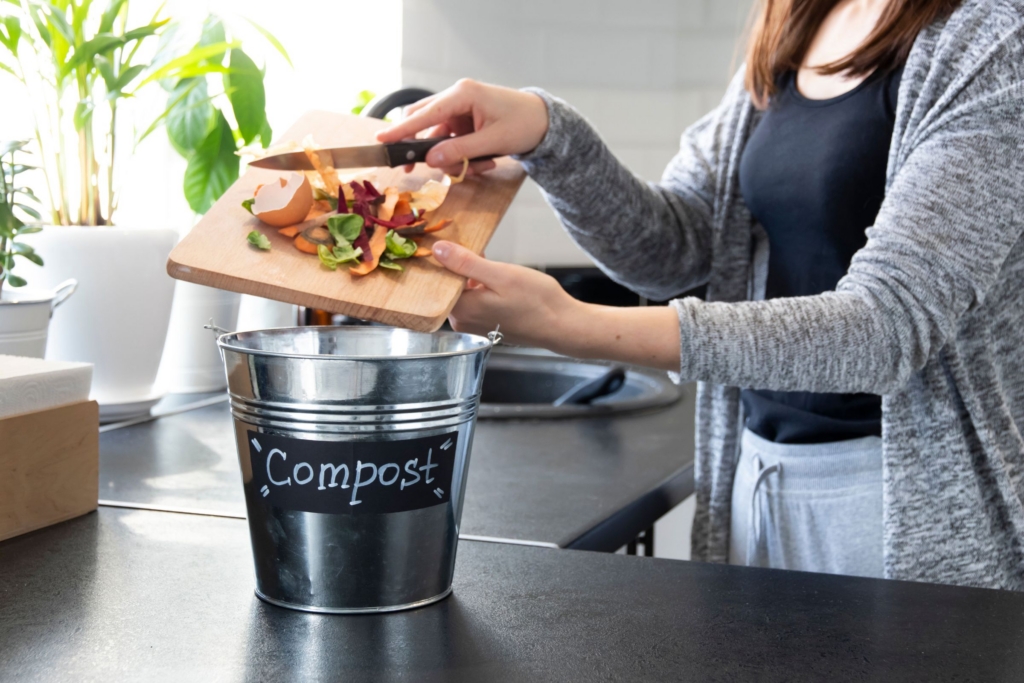
To compost at home, you’ll need a bin or tumbler with adequate airflow and access to water. Add a mix of green materials (vegetable scraps, coffee grounds) and brown materials (cardboard, wood chips) to create nutrient-dense compost.
But how do you compost meat, dairy or BPI-certified products that need composting bins to reach much higher temperatures? That’s where commercial composting companies come in. We partnered with Rubber City Reuse to offer community composting bins. So, whether you don’t have space in your back yard or have items that can’t be composted at home, you can still keep food scraps out of landfills.
To find community compost bin locations in your Metro Parks and a composting guide, discover our greener future.
Other local organizations may offer composting services. Let’s Grow Akron offers community drop-off sites, plus pick-up services for local businesses. The compost is used in their gardens across the city or available for purchase.
For more stories like this, check out Green Islands magazine, a bi-monthly publication from Summit Metro Parks. Summit County residents can sign up to receive the publication at home free of charge.