
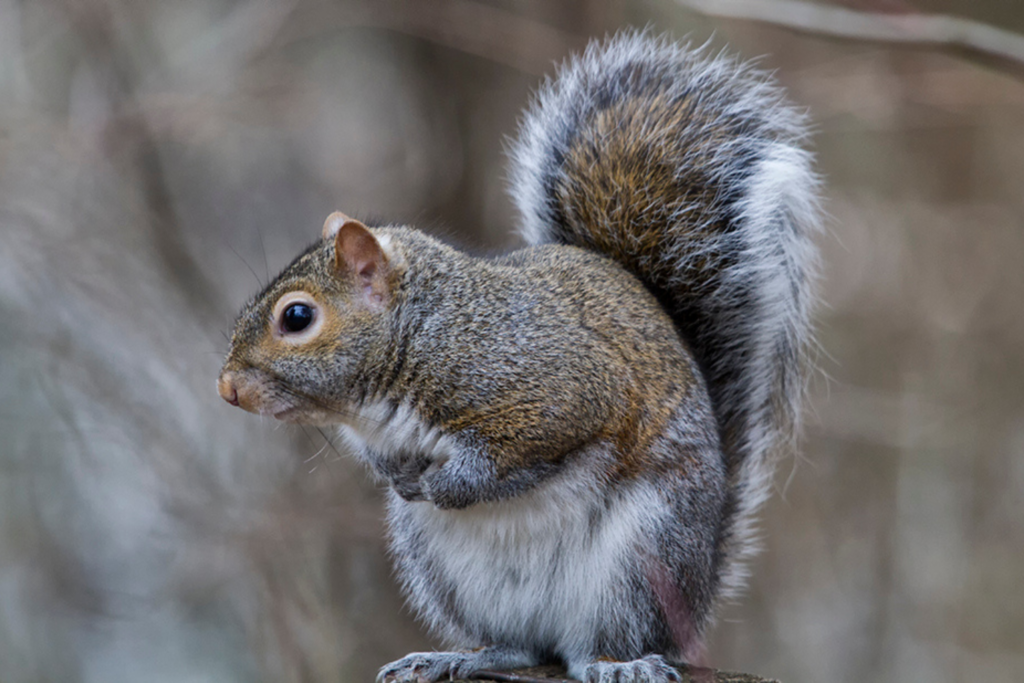
Name: Eastern Gray Squirrel (Sciurus carolinensis)
Size: Body Length of 9-12 inches. Tail Length of 8-10 inches.
Diet: Primary foods include acorns, hickory nuts, walnuts, beech nuts and maple seeds. Seasonal foods include fruits, berries, fungi, buds and flowers.
Good scent and spatial memory help them to remember the location of almost all food buried for winter — those nuts and seeds they overlook often sprout into new trees!
Did you know? Their rodent teeth are especially good at gnawing. In January and February, as seed and nut caches dwindle, they will supplement their diet by gnawing into maple trees, returning later to lick sap.
Weight: 1-1.5 lbs.
Lifespan: 6 years on average, though some may live up to 12
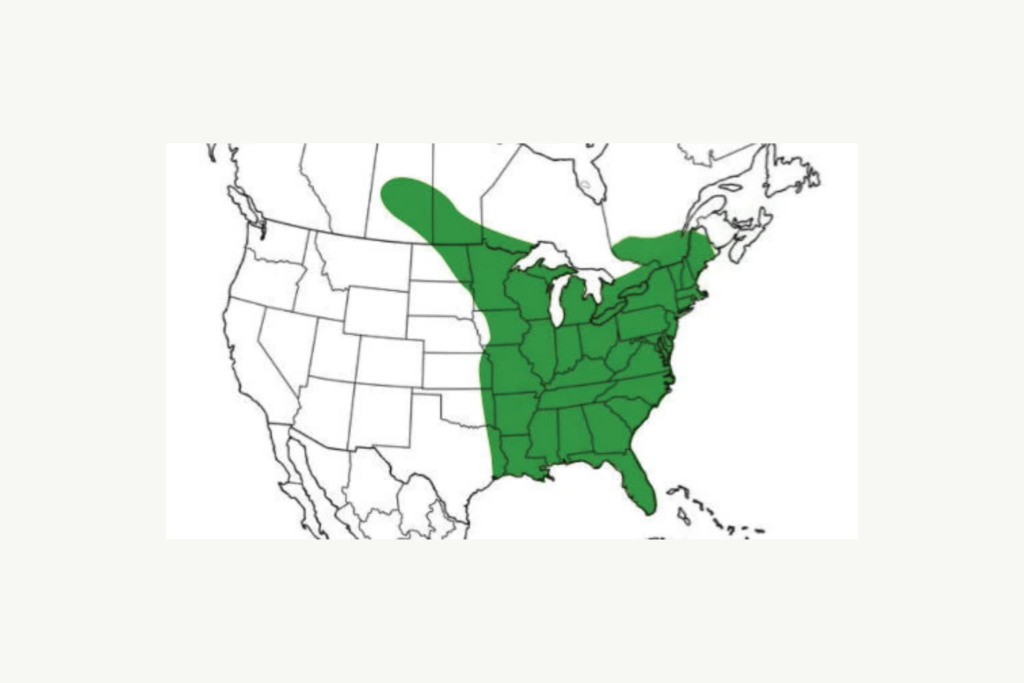
Native range: Eastern & Midwestern United States, Southern Canada
Gray squirrels are native to Ohio and once again occupy a range throughout the state.
Common in:
- Woodlands
- Parks
- Back yards
- Urban areas
Did you know? Introduced to the UK in the late 19th century, they have since displaced native red squirrels in many areas and are considered invasive.
The native population of gray squirrels was so large when European settlers arrived in Ohio, they were considered farm pests and were nearly eliminated.
An 1807 Ohio law required taxpayers to turn in a quota of squirrel skins as tax payment.
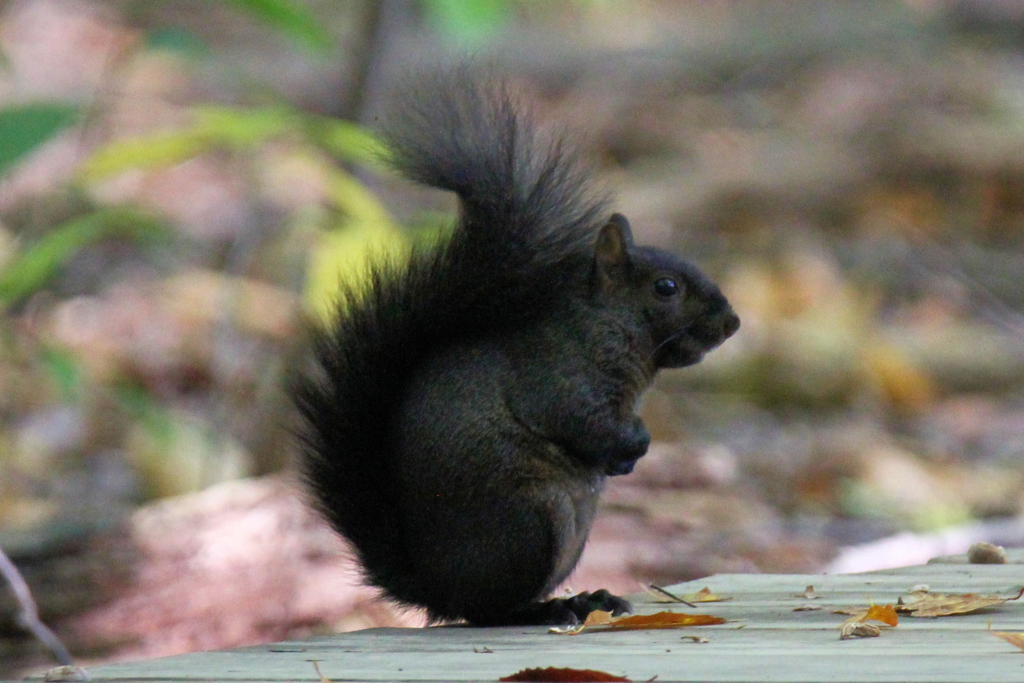
Black (melanistic) gray squirrels: They are the “unofficial” mascot at Kent State where a bronze statue was installed on campus.
Their tails communicate anger and agitation.
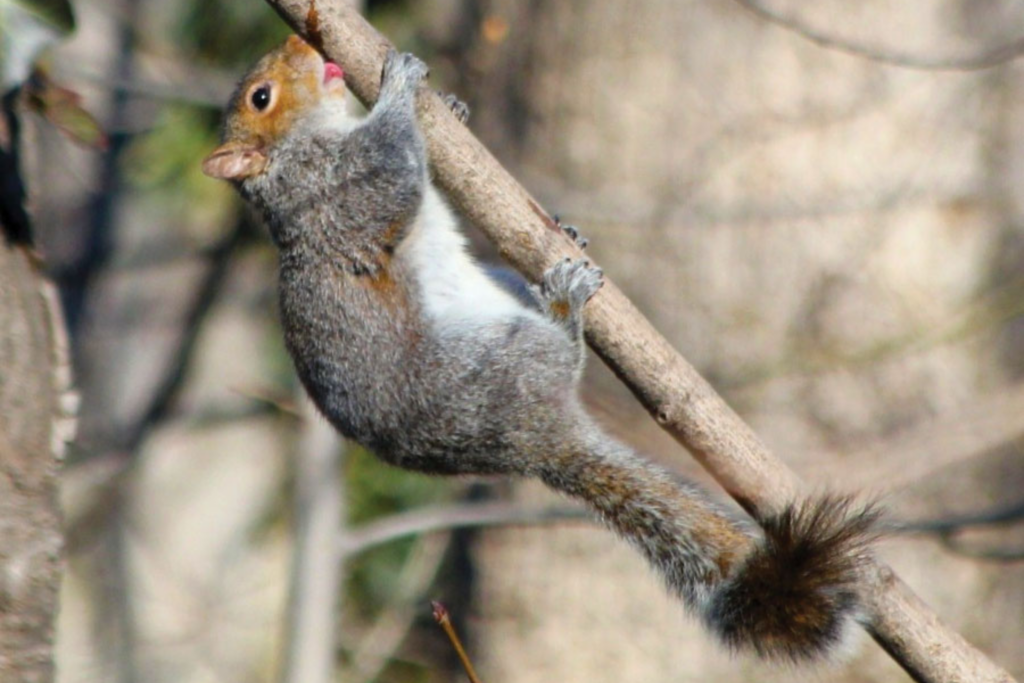
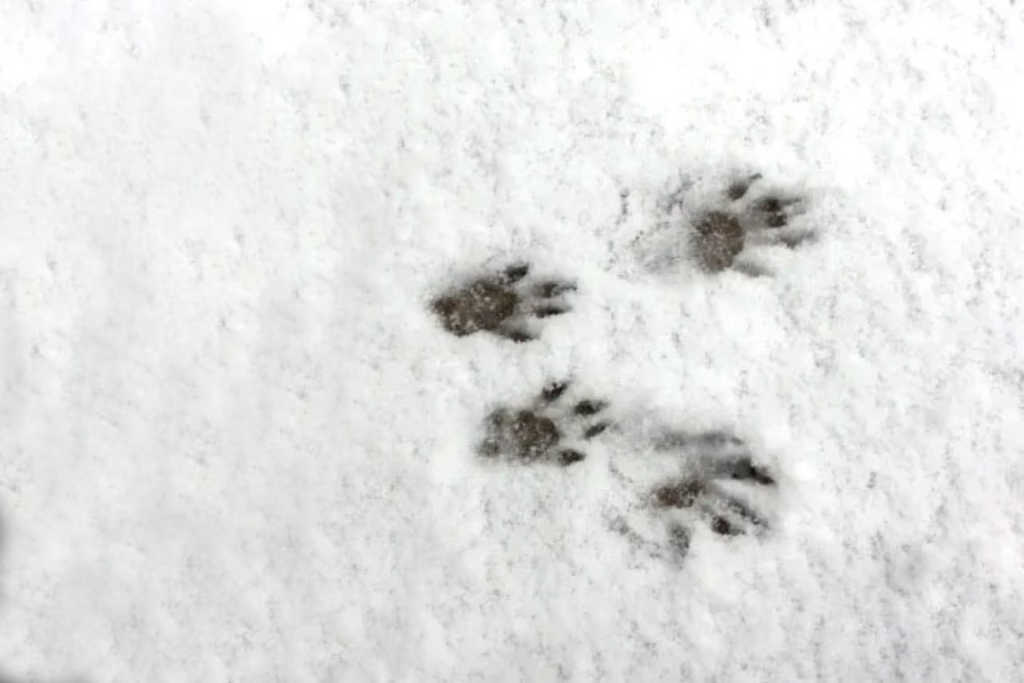
Strong flexible ankles and claws assist in making leaps up to 10 times their body length and allow them to descend trees head-first.
For more stories like this, check out Green Islands magazine, a bi-monthly publication from Summit Metro Parks. Summit County residents can sign up to receive the publication at home free of charge.