
An eco-friendly holiday
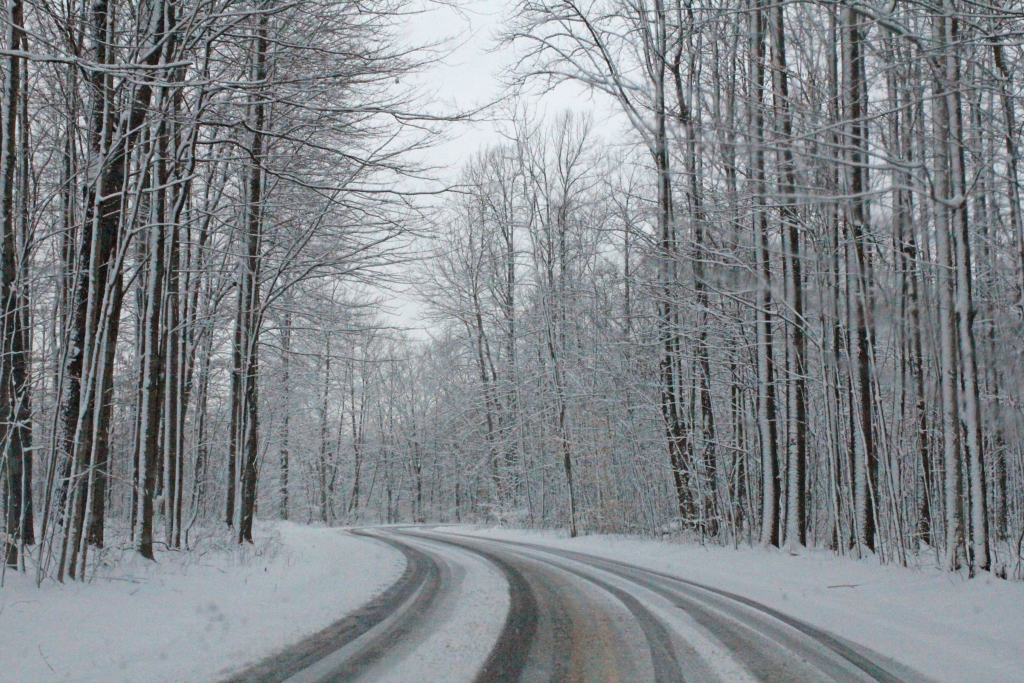
There’s nothing like leaving footprints in the snow on a walk around the holidays. Lights, gifts and good company can make winter feel like one of the warmest seasons. But you don’t just leave footprints behind; you leave a carbon footprint, too. It may not grow “three sizes that day,” but the average American will produce an extra 1,400 pounds of carbon dioxide, and the average household will produce over 25% more waste between Thanksgiving and Christmas.
These spikes of CO2 from transportation and methane from food waste forms a nasty cocktail in our atmosphere, making it harder for plants and animals that call the natural world home to adapt to the changing climate. Think of this as our own personal nightmare before Christmas.
No one is saying you have to stay home alone for the holidays, but planning your travel is one of your best ways to cut down on your carbon footprint. When choosing between planes, trains and automobiles, you might be surprised to find that a short car trip can be more efficient than taking a plane; and, for trips closer to 200 miles, nothing is more efficient than taking the polar express. On average, trains produce nearly six and a half times less carbon dioxide than planes for the same trip. However you choose to travel, you can check your carbon footprint with an online calculator to see the real impact of your travel decisions.

You can also lessen your carbon footprint while giving gifts. Consider shopping in person instead of online. That “last mile” is a lot longer when getting something delivered than shopping at a single location. Buying in person also reduces returns from a whopping 40% to 7%, keeping you from buying the wrong thing. Your online return doubles the carbon dioxide of delivery, and most online returns will end up in a landfill instead of being restocked and landing in someone else’s stocking.
If you choose to thrift a gift, you can alleviate the cost of manufacturing as well. By participating in the circular economy, you eliminate the emissions associated with manufacturing a new item all while keeping something useful out of the landfill.
Even how you give your gifts can make a big difference. As a nation, we send 2.3 million pounds of mostly unrecyclable wrapping paper straight to landfills every year. You can swap this out for reusable gift boxes and bags or a gift wrapped in newspaper and twine (a timeless classic!).
You could take it a step further and gift an experience instead of an object that could end up being forgotten once the holidays pass. Summit Metro Parks offers amazing experiences like kayaking, archery and camping that make great gifts. Even if you don’t choose to do your holiday shopping with us, memberships to museums, zoos and botanical gardens are great ways to share a part of the world you love with your loved ones without creating wasteful emissions.
When we make choices like these, it’s not just about making a number go down on some chart; they directly contribute to the health of our planet and our parks. As temperatures rise year over year, plants and animals adapted to cooler temperatures find their ranges moving north. Some highly mobile species can make this change, but most cannot. Mature forests struggle in the face of climate change, and opportunistic invasive species move in quickly to take advantage of more favorable conditions. The fewer greenhouse gasses we produce, the closer we can keep to earth’s natural temperature cycle giving the plants and animals that call our parks home the chance to move or adapt.
By traveling thoughtfully, reducing waste and choosing gifts with care, we can make the holiday season a little lighter on the land we love. That is a gift worth giving — to our parks, our communities and the future parkgoers who will leave their own footprints in the snow.